Vietnam is a country where the old and new coexist harmoniously, creating a tapestry of architectural wonders. From ancient temples to modern skyscrapers, the diverse architectural styles found in Vietnam tell the story of its rich history and cultural heritage. Whether you’re an architecture enthusiast or simply appreciate the beauty of well-crafted structures, Vietnam offers a captivating landscape of must-see landmarks. Join me on a chronological journey through Vietnam’s remarkable architecture.
Cham Towers: Ancient Marvels

Let’s begin our exploration with the Cham Towers. The Cham people, originally from India, settled in Central and Southern Vietnam between the 7th and 19th centuries. Their impressive masonry and architectural skills are evident in the Cham stone ruins that still stand today. One of the largest ancient cities in Southeast Asia, Mỹ Sơn Sanctuary near Da Nang, is home to some of the finest examples of Cham architecture. Another highlight is the Po Nagar Cham Towers in Nha Trang, which showcases the intricate carvings and Hindu-inspired designs unique to the Cham civilization. An enchanting blend of resilience and beauty, Cham architecture is a testament to the cultural richness of Vietnam.
Tip: Immerse Yourself in Cham Culture
To delve deeper into Cham craftsmanship and culture, visit the Da Nang Museum of Cham Sculpture. Here, you can gain a deeper understanding of the artistry and historical significance of the Cham people.
Relics of Early Imperial Rulers: Ninh Binh’s Legacy
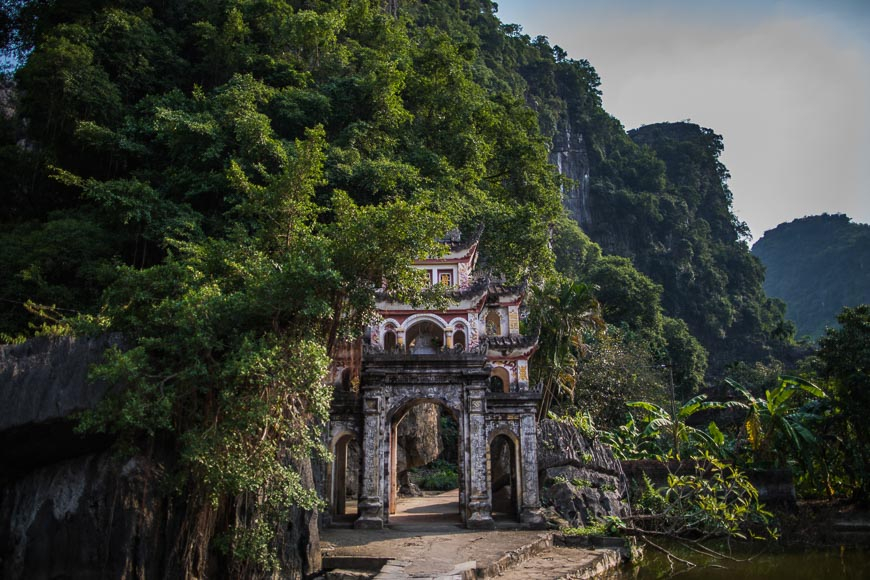
During the 10th century, Vietnam was divided into 12 feuding kingdoms. One kingdom, led by a formidable general, united the rest and established the first imperial kingdom, Đại Cồ Việt. The capital, Hoa Lư, in modern-day Ninh Binh, boasts a blend of temples, pagodas, and fortifications that reflect the tumultuous history of the region. The Hoa Lư Citadel, once a seat of power, exudes astonishing craftsmanship and a serene atmosphere. For a taste of the Trần dynasty’s architectural style, visit Hang Múa and the Bích Động Pagoda, where architectural splendor meets the enchanting nature of ancient rock formations.
Trần Dynasty Temples: Hanoi’s Golden Era
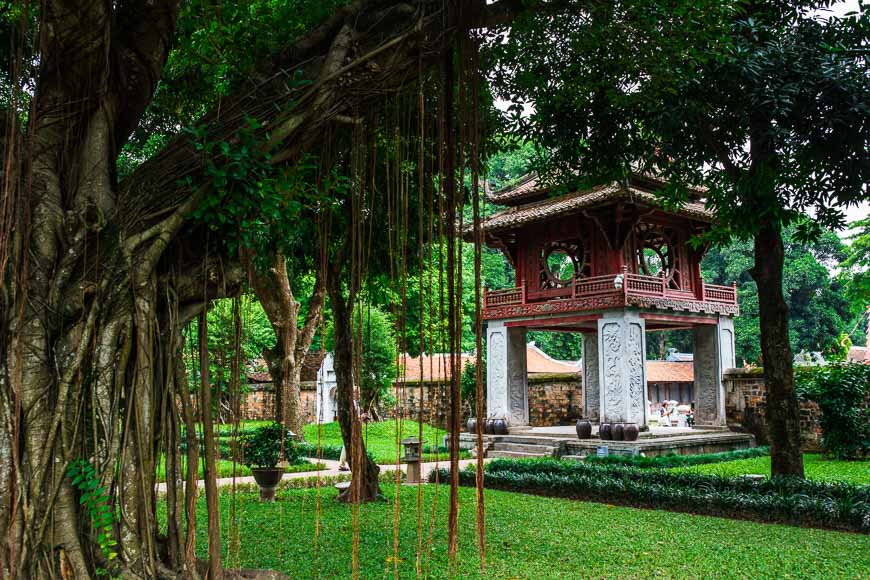
The Trần Dynasty marked a golden era for art, culture, and science in Vietnam. Hanoi, the capital, became the hub of architectural innovation during this time. The Thang Long Imperial Citadel, where the Trần kings ruled, is an essential stop for history enthusiasts. Marvel at the massive flagstaff and ancient bulwarks that expanded the original Ly structure. Just south of the citadel lies the Temple of Literature, originally built in 1070 and enhanced during the Trần Dynasty. This revered Confucian learning center boasts innovative carpentry, enchanting temples, and picturesque courtyards, making it one of Hanoi’s most cherished attractions.
Nguyễn Dynasty Citadel and Tombs: Vietnam’s Royal Legacy
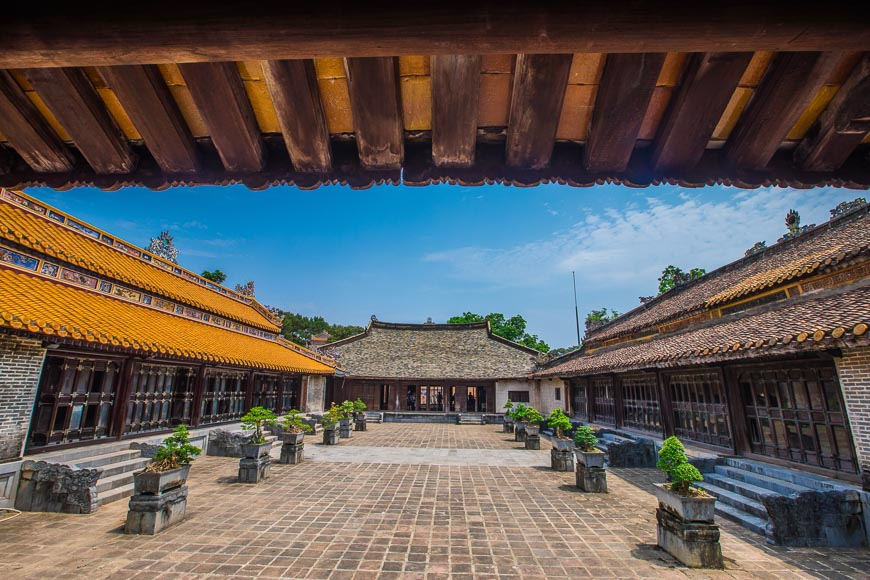
The Nguyễn Dynasty, which ruled Vietnam from 1802 to 1945, left an indelible mark on the country’s architecture. During their reign, the Nguyen Kings erected imposing landmarks that blended traditional Vietnamese designs with 19th-century French influences. Explore the Meridian Gate at the Hue Imperial Citadel for a glimpse of the dynasty’s power and innovation. This stone and wood marvel showcases intricate carvings and a seamless integration of water elements. The royal tombs scattered throughout the Hue countryside offer further insights into the evolving architectural standards and the French impact on Vietnamese life and governance.
Colonial Mansions and Cathedrals: A Fusion of Styles
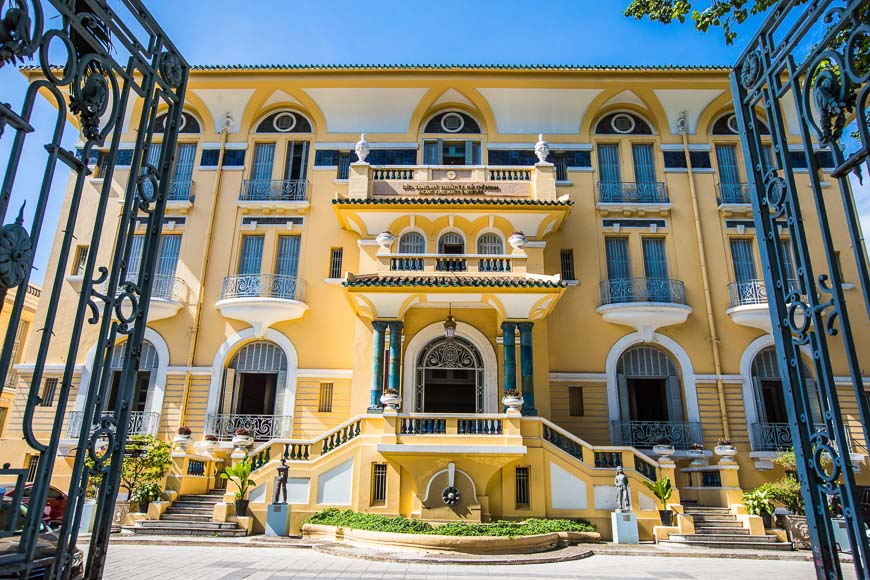
French colonization in Vietnam left a lasting legacy in the country’s architecture. The French introduced Western modernity and engineering, which seamlessly merged with local sensibilities. The Long Biên Bridge, an iconic Hanoi landmark, and the elegant Opera House showcase key examples of colonial French architecture and urban planning in Hanoi’s French Quarter. For a firsthand experience of Indochine-era elegance, visit the Majestic Saigon Hotel, where the lobby exudes timeless charm with its marble floors and arched ceilings. Phát Diệm Cathedral, the Museum of Fine Arts, Notre Dame Cathedral, and public buildings in Hanoi, Dalat, and Hue represent the captivating fusion of Vietnamese and French design.
Tip: Indulge in Indochine-Era Elegance
Step into the century-old Majestic Saigon Hotel to witness the elegance of Indochine-era architecture. From the polished lobby to the heritage rooms overlooking the Saigon River, this hotel offers a glimpse into Vietnam’s colonial past. Unwind on the rooftop terrace or treat yourself to a rejuvenating spa experience.
Brutalist Public Buildings: Symmetry and Concrete
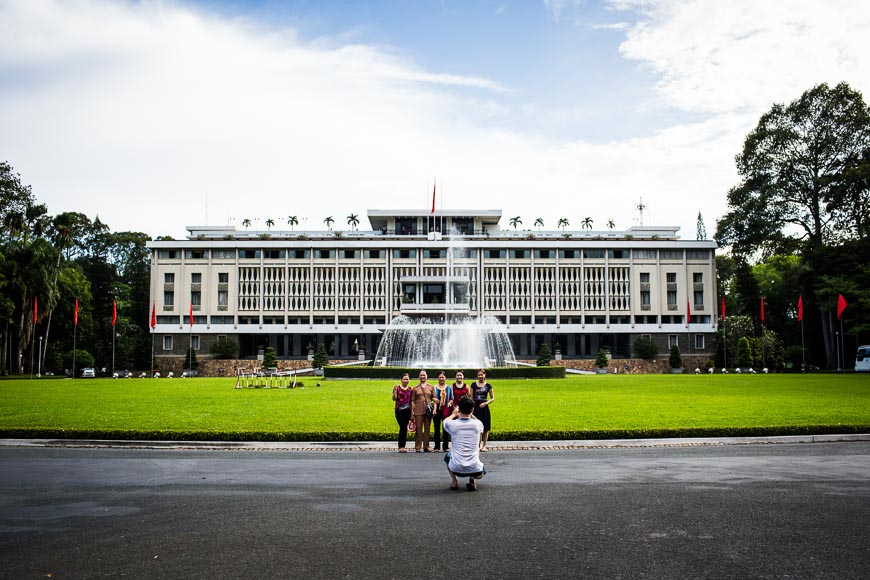
In the mid-20th century, brutalist architecture gained popularity, characterized by its emphasis on concrete, cubist style, and symmetry. Vietnam embraced this architectural trend, resulting in notable landmarks like the Ho Chi Minh Mausoleum in Hanoi. This colossal monument, built in a striking brutalist style, serves as the final resting place of Vietnam’s beloved hero. In Ho Chi Minh City, the Reunification Palace stands as a balanced and utilitarian masterpiece with touches of Confucian symbolism. Its capture marked the end of the war in 1975. These monumental structures exemplify Vietnam’s architectural diversity and the country’s transition through significant historical periods.
Modern Skyscrapers and Bridges: A Testament to Vietnam’s Growth
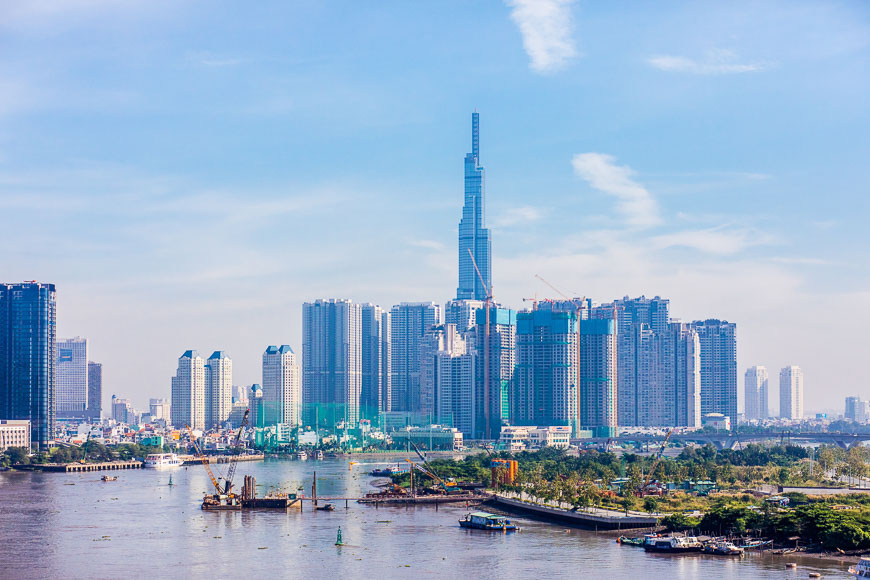
Vietnam’s booming economy has ushered in a new era of urban growth, evident in the construction of enormous skyscrapers. Landmark 81, the tallest building in Vietnam, graces the skyline of major cities, offering breathtaking panoramic views. The Bitexco Financial Building is another iconic element of Ho Chi Minh City’s skyline. Da Nang, a progressive city, boasts the iconic Dragon Bridge and Golden Hands Bridge, both remarkable symbols of Vietnam’s relentless forward motion.
Embark on a Journey Through Vietnam’s Architectural Marvels
Traveling through Vietnam offers an opportunity to witness the unique blend of old and new, local and foreign, that defines its architectural landscape. From the ancient Cham Towers to the modern skyscrapers and bridges, Vietnam’s architecture tells a story of resilience, innovation, and cultural exchange. So pack your bags, grab your camera, and dive into the captivating world of Vietnam’s extraordinary architecture.
[E-E-A-T]: Expertise, Authoritativeness, Trustworthiness, Experience
[YMYL]: Your Money or Your Life