Buddhism, the most popular religion in Vietnam, has deep roots in the country’s culture. It arrived in Vietnam around the year 189 CE, with influences coming from Central Asia and India. Over time, it has developed a unique symbiotic relationship with Taoism, Chinese spirituality, and the indigenous Vietnamese religion, resulting in a diverse and inclusive Buddhist community.
A Melting Pot of Mahayana Buddhism
In Vietnam, Buddhists primarily belong to the Mahayana tradition. Within this tradition, three forms of Buddhism dominate: Zen Buddhism, Pure Land Buddhism, and Vajrayana. Interestingly, Pure Land and Zen Buddhism have become the core of Buddhist life in Vietnam. While monks and nuns predominantly follow Pure Zen practice, the common people lean towards Pure Land Buddhism. It is worth noting that although Mahayana Buddhism flourishes in Vietnam, the Theravada tradition also boasts a considerable number of followers.
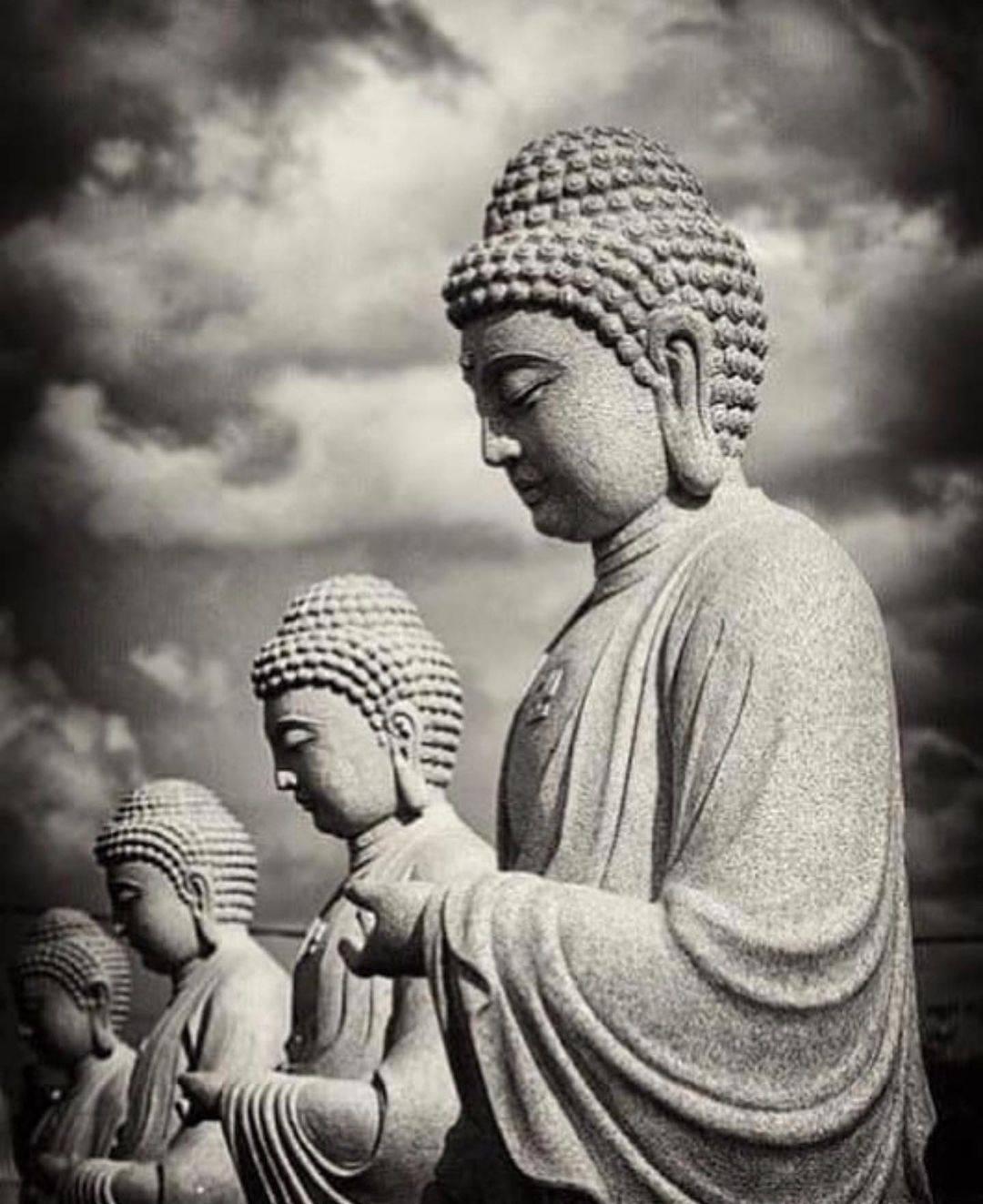
Photo: @phapphuckamala.vn
The Harmonious Integration of Traditions
One of the most defining features of Buddhism in Vietnam is its ability to seamlessly integrate Buddhist, Taoist, and Confucian traditions. Vietnamese Buddhism manages to reflect the rituals, beliefs, and notions of all three faiths in a harmonious and balanced manner. Despite skepticism regarding the compatibility of different Buddhist schools, Vietnamese practitioners embrace them all without contradiction or conflict.
Gaining Merit: The Core Practice
While Vietnamese Buddhism does not have a strong centralized structure, the pursuit of merit occupies a central role in the lives of its followers. The belief that self-liberation occurs with the help of Buddhas and bodhisattvas guides Vietnamese Buddhists in their devotion. Chanting sutras and reciting the names of Buddhas are common practices among Buddhist monks, further deepening their spiritual connection.
Famous Pagodas and Temples
Vietnam is home to numerous famous pagodas and temples that hold great religious and cultural significance. Here are five notable examples:
-
One Pillar Pagoda: Located in the western part of Hanoi, on Ong Ich Khiem Street, Ngoc Ha, Ba Dinh District, the One Pillar Pagoda is renowned for its extraordinary architecture.
-
Bai Dinh Temple: Situated 95 kilometers south of Hanoi, in Gia Sinh Commune, Gia Vien District, Ninh Binh Province, Bai Dinh Temple is the largest complex of Buddhist temples in Vietnam.
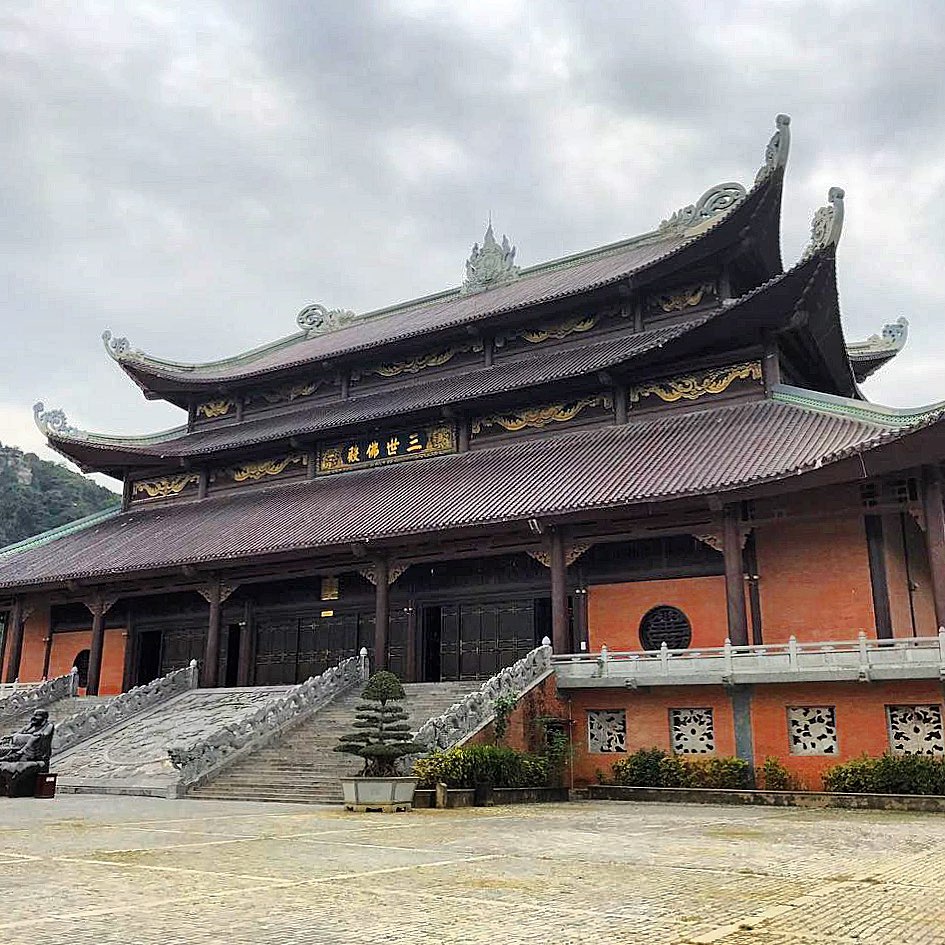
Photo: @yves.raro
-
Dau Pagoda: Considered the oldest temple in Vietnam, Dau Pagoda is located in Thanh Khuong Commune, Thuan Thanh District, Bac Ninh Province.
-
Thien Mu Pagoda: Situated in Hue city, Thua Thien Hue Province, Thien Mu Pagoda is not only historic but also the tallest pagoda in Vietnam, featuring seven storeys.
-
Huong Pagoda: Located in Huong Son Commune, My Duc District, former Ha Tay Province (now Hanoi), Huong Pagoda is a sacred site that attracts a large number of pilgrims from all over Vietnam during religious festivals.
Interested in learning more about travel in Vietnam? Check out our comprehensive Travel Guide for more information and insights.
Buddhism in Vietnam continues to inspire and guide millions of people through its rich traditions and spiritual practices. Its harmonious integration of differing beliefs stands as a testament to the country’s cultural diversity and open-mindedness. Whether you’re a Buddhist practitioner or simply curious about this ancient religion, Vietnam offers a unique experience that will leave a lasting impression.