Are you ready to embark on a culinary journey through Vietnam’s royal delicacies? From exquisite pastries to mouthwatering seafood, these ten specialties have been cherished by generations of Vietnamese royals. Let’s dive into this flavorful adventure and discover the rich history and unique flavors of these dishes.
1. Banh Phu The (Husband and Wife Pastry)
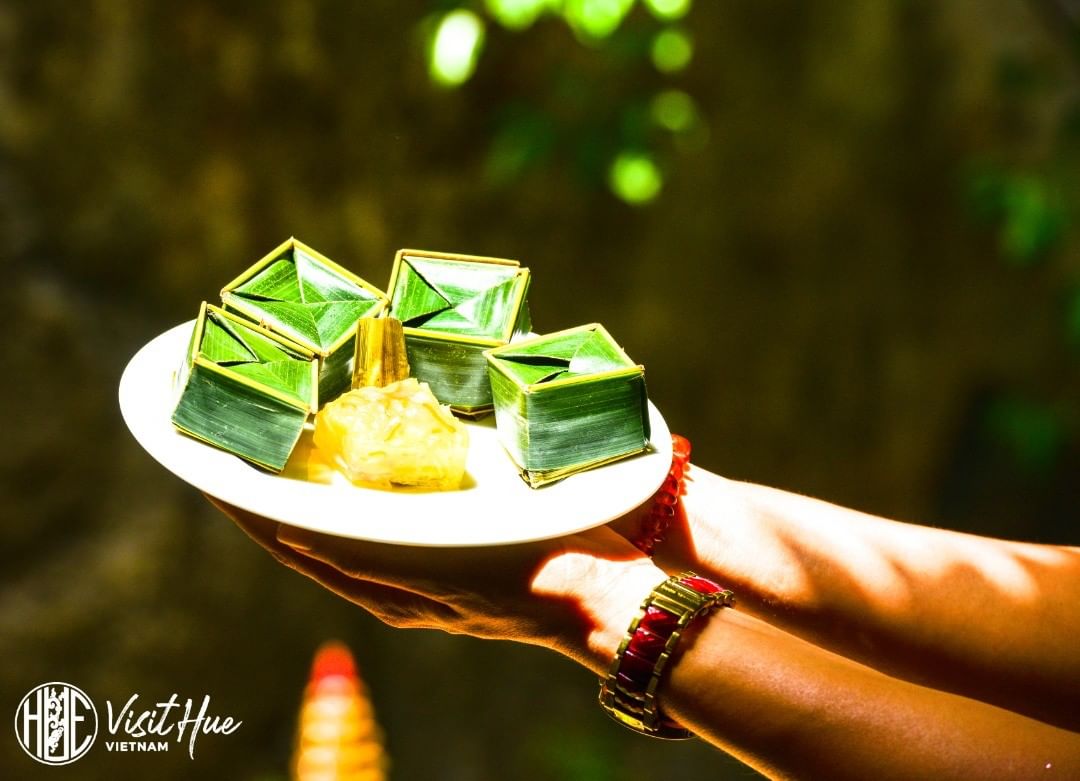
Originating from the homeland of the Ly dynasty, Dinh Bang in Bac Ninh province, Banh Phu The is a pastry fit for a king. These special pies, wrapped in dried banana leaves, symbolize the everlasting love between a couple. Inside the golden rice dough, you’ll find a delightful mixture of finely ground green beans, sugar, and sometimes coconut shreds. The contrast of colors and flavors makes this pastry a visual and culinary delight.
2. West Lake Coot
Once a staple in the diet of Vietnamese royalties, the West Lake Coot holds a special place in the country’s culinary heritage. These migratory birds, believed to consume precious ginseng during their journey, are considered a healthy delicacy. However, due to intensive hunting, sighting a West Lake Coot has become a rare occasion. Nevertheless, its legacy lives on in the old Hanoian verse, preserving the memory of its esteemed presence.

3. Anh Vu Carp
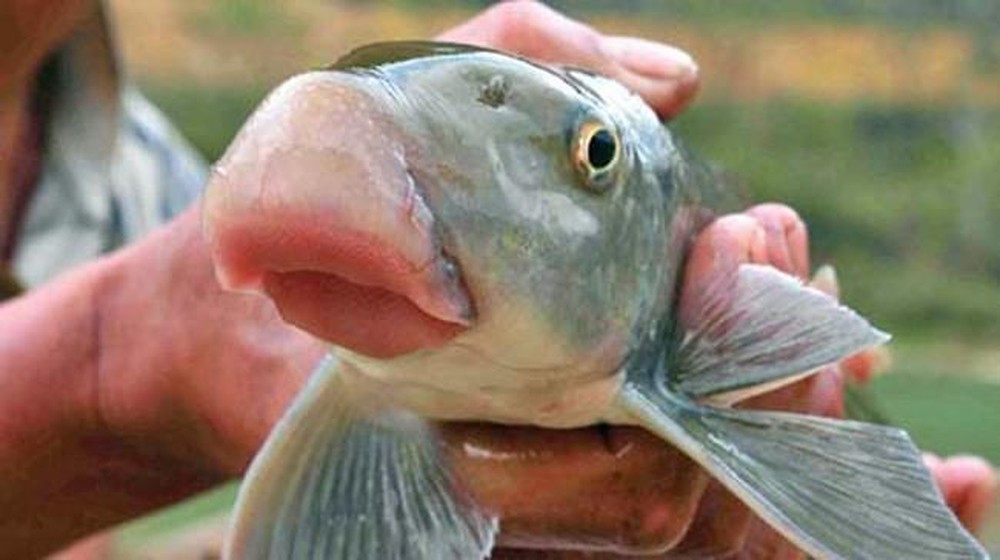
Residing in the Bach Hac confluence of Phu Tho province, the Anh Vu Carp showcases the unique beauty and taste of freshwater fish. With its firm, white meat and distinctive mutated whiskers, this carp is highly prized. The lips of the Anh Vu Carp are particularly sought after and considered a delicacy. However, much like the West Lake Coot, experiencing the flavor of this royal fish in present-day Vietnam is a rare privilege.
4. Longan and Lotus Seed
Among the royal family’s favored desserts is the combination of longan and lotus seed. The longan fruit, specifically sourced from Hien town in Hung Yen province, offers a unique aroma and irresistible sweetness. Its meat, thick and juicy, surpasses the taste of other varieties. Even today, longan remains highly sought after and commands a premium price in Vietnam’s culinary scene.

5. Dong Cao Chicken
Hung Yen province introduces another specialty to our list: the Dong Cao Chicken. Known for its gigantic size and strength, this unique bird has earned the nickname “elephant-footed.” While raising Dong Cao chickens requires extensive care and expertise, their meat possesses a distinct and highly desirable taste. Crossbreeding efforts have reduced the number of purebred Dong Cao chickens, making them a rarity today.

6. Ngu Banana
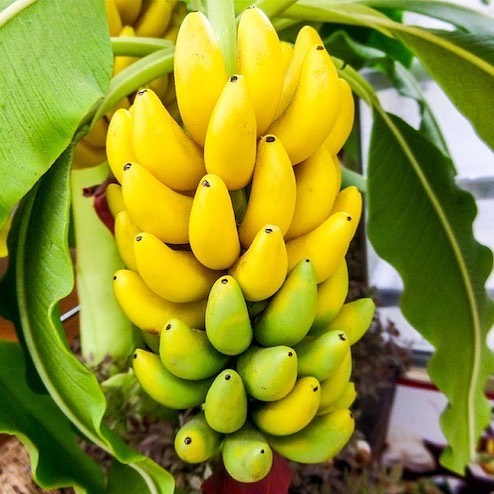
Dating back to the Tran dynasty, Ngu bananas hold a special place in the hearts of the people from Nam Dinh province. These tiny fruits, with a silky smooth yellow skin and seductively sweet taste, are offered as a tribute to the wise rulers of Vietnam’s glorious past. Despite their adaptability limitations, Ngu bananas continue to thrive exclusively in the homeland of the Tran kings.
7. Early Green Rice (Com Vong)
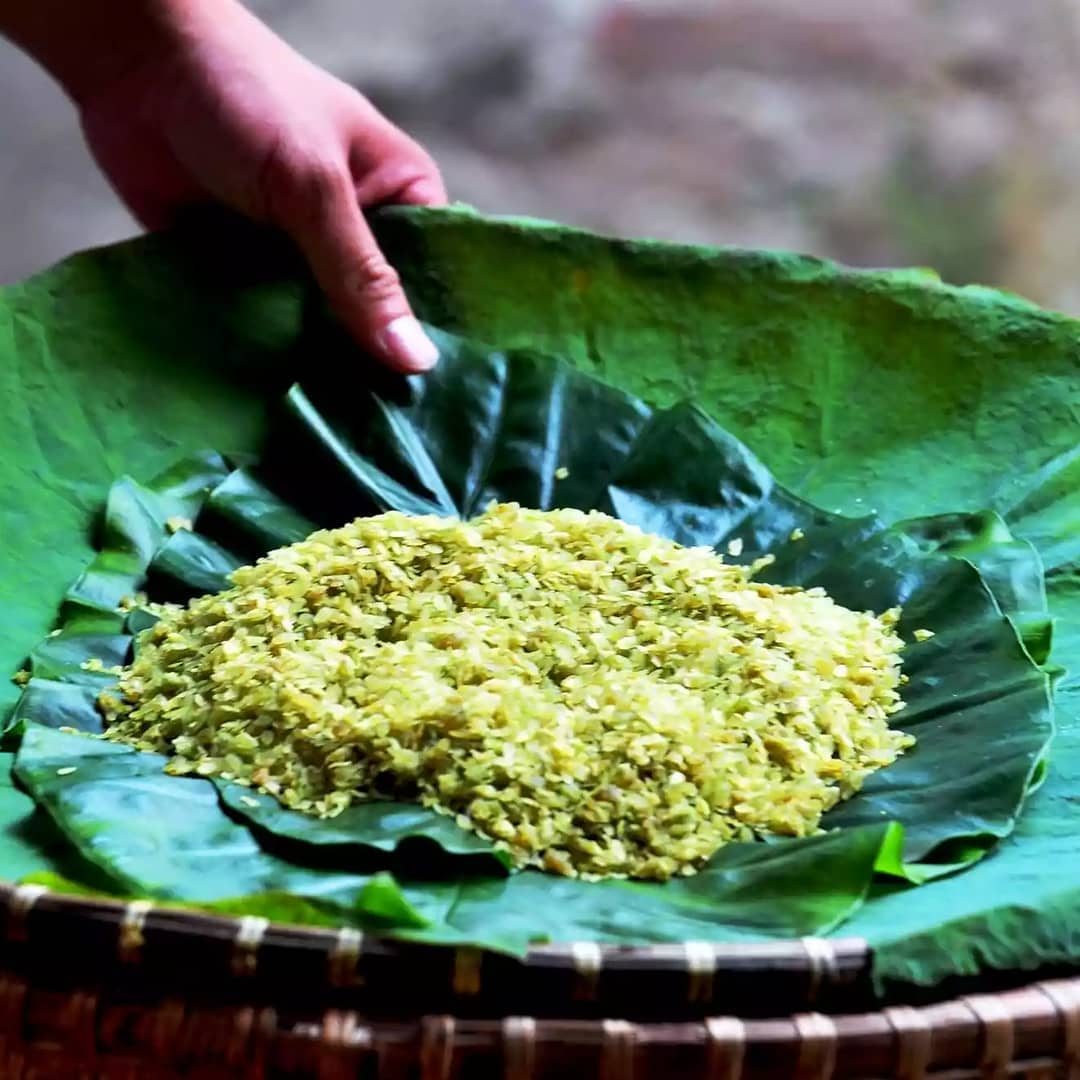
For over a thousand years, early green rice, also known as com, has been a specialty of Thang Long. This rice, initially enjoyed by the Ly emperors, can still be found in street vendors across Hanoi’s old quarter during the fall season. Locals savor com on its own, with banana, or in various sticky rice delicacies. The famous Hang Than “com” pie owes its flavor and texture to this prized ingredient.
8. Shrimp Paste of Ha Yen
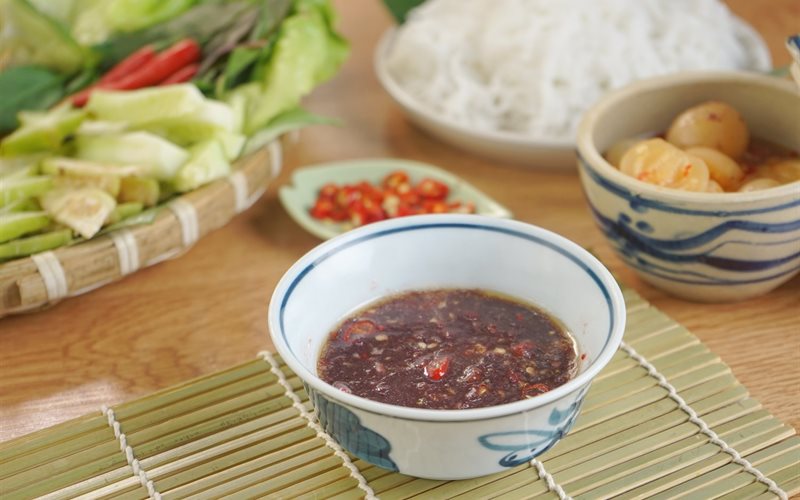
Shrimp paste, a delicacy of the Vietnamese lowlands, was once a tribute to the kings. Crafted from small shrimp found in the Gia Gia area of Co Dam village, this rare sauce required expert fishermen and skillful cooks. The resulting paste, with its faint yellow shine and thick honey-like consistency, epitomizes the level of craftsmanship that no longer exists today.
9. Water Spinach (Rau Muong)
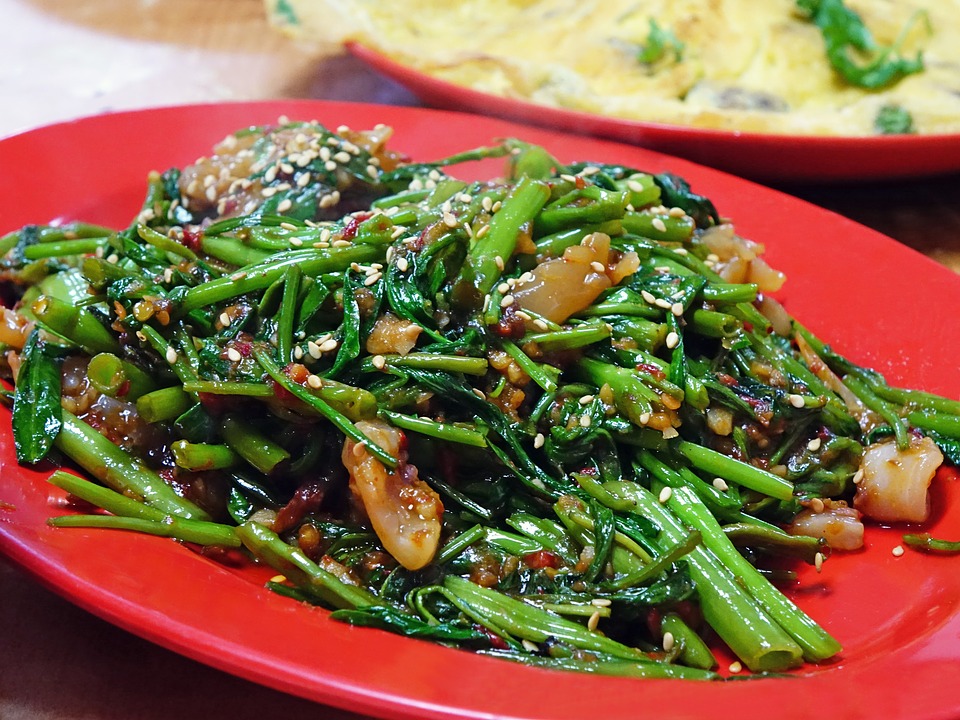
Surprisingly, water spinach, a humble peasant’s food, found its way onto the king’s table. The soft texture and delicate taste of Linh Chieu’s spinach in Hanoi delighted palace diners. Dubbed the king’s spinach, this vegetable required meticulous cultivation along the banks of the Red River to absorb its nourishing alluvium. Today, finding this once-inexpensive vegetable requires considerable effort.
10. Swallow Bird Nest (To Yen)
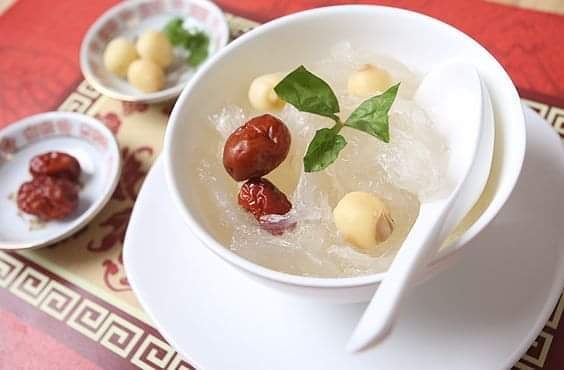
Derived from the painstakingly created bird saliva nests, To Yen, or swallow bird nest, is a delicacy with exceptional taste and nutritional value. Historically harvested from the offshore islands of Khanh Hoa province, this elusive treat was reserved exclusively for the absolute majesties due to its dangerous and labor-intensive collection process. Nowadays, cultivation techniques have made this delicacy more accessible, allowing more people to savor its unique flavor.
So, ready to indulge in the flavors fit for royalty? Embark on this extraordinary culinary adventure and explore Vietnam’s rich gastronomic heritage. Start your journey with these ten specialties and discover the decadent tastes that once graced the tables of Vietnamese kings.