Once a bustling commercial center in Saigon, Thuong Xa Tax holds a special place in the hearts of the city’s residents. Although the original building was demolished in 2016, its legacy lives on. Let’s take a journey through history and discover the enduring charm of Thuong Xa Tax.

Thuong Xa Tax – a Part of Saigon’s Glory
Having stood tall since the late 19th century, Thuong Xa Tax is a testament to Saigon’s development and progress. Nestled between two famous boulevards, Bonard and Charner (now Le Loi – Nguyen Hue), this iconic building became the largest and busiest commercial mall in Saigon, igniting the economic landscape of Indochina.

Initially constructed in 1880 by the French, the building was called Grands Magasins Charner de Saigon (SGMCD) when the Société Coloniale des Grands Magasins company chose it as their business location in 1914. As Saigon flourished, the building underwent restoration in 1924, taking on an exquisite Art Deco style that blended French architecture with Asian cultural influences. It soon became a prominent architectural highlight in the heart of the city.
In November of the same year, Grands Magasins Charner (GMC) opened its doors at Thuong Xa Tax, making headlines in newspapers. Subsequently, the building was renamed GMC, marking the beginning of a prosperous era for this bustling shopping center.
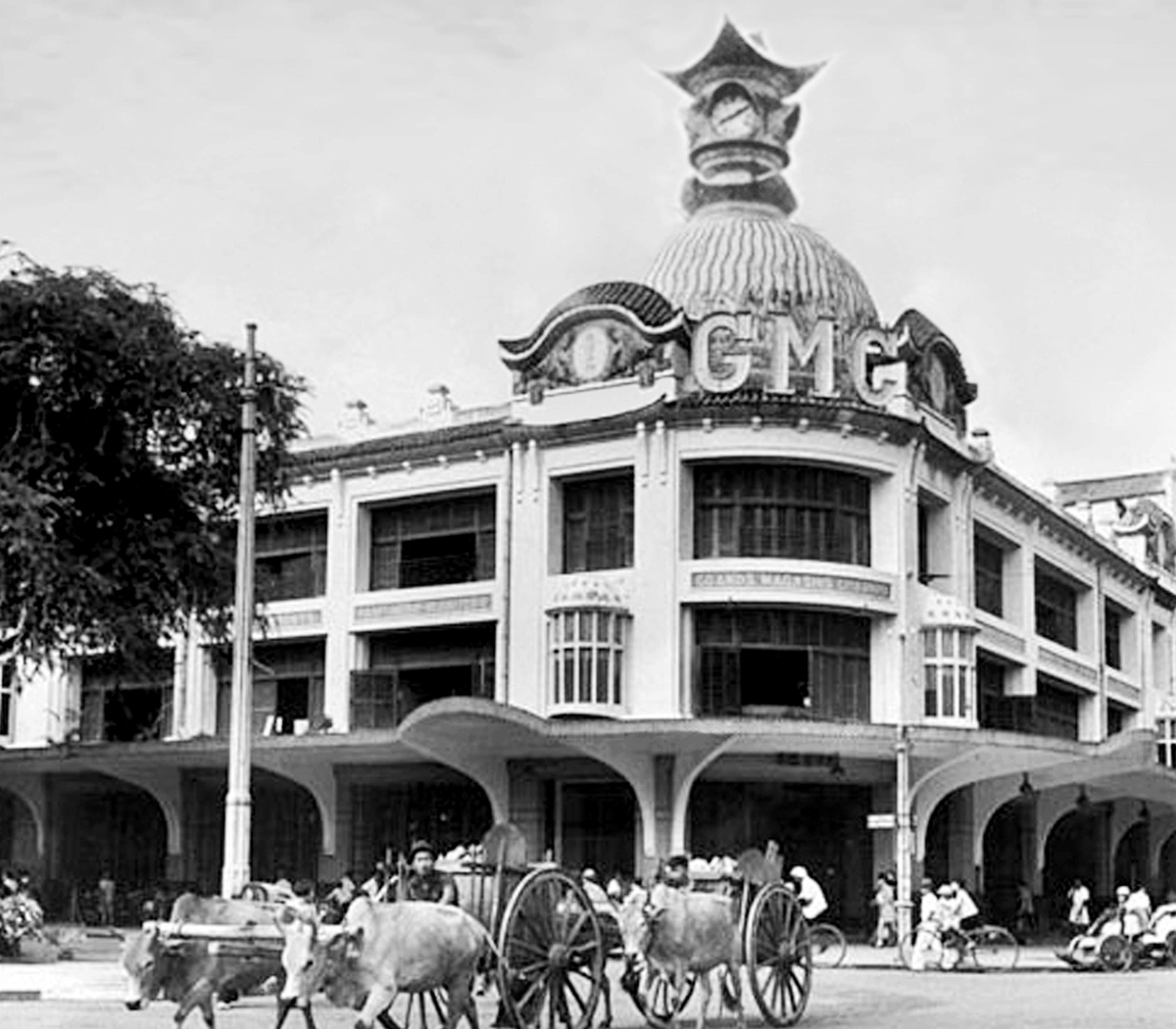
GMC proudly advertised itself as “the largest store, with the most items and the best shopping experience.” To entice customers further, they even offered a tea room and an American bar with free entrance. Business boomed, leading to the addition of a fourth floor and the replacement of the clock tower with a vibrant “GMC” banner, solidifying its reputation as a trendy commercial hub.
During the 1960s and 1970s, under the name “Thuong Xa Tax,” the building reached its zenith as one of Saigon’s busiest and largest shopping centers. It attracted foreign shoppers with its wide range of merchandise, including clothing, watches, cameras, and electronics from the US, Japan, and Taiwan.
Following a period of quiet during the war, Thuong Xa Tax was rejuvenated when it became the City Children’s Service Store. In the 1980s and 1990s, after merging with other sales stores, it transformed into the General Department Store, becoming one of Vietnam’s largest retail destinations.

The vibrant Thuong Xa Tax witnessed many renovations over the years but maintained its unique French architectural features, remaining one of Ho Chi Minh City’s top five shopping spots. For over 130 years, this iconic building has stood witness to the city’s transformation, astonishing economic growth, and the fond memories of its people.
Thuong Xa Tax – An Eternal Memory in the Hearts of Saigonese
Thuong Xa Tax isn’t just a grand shopping mall; it holds a special place in the lives and memories of generations of Saigonese. People flocked to the mall not only for shopping but also for relaxation, entertainment, music, and enjoying ice cream or a cup of coffee while admiring the vibrant corners of the city. However, in 2014, Thuong Xa Tax closed its doors and was eventually demolished in 2016, making way for a new architectural project.
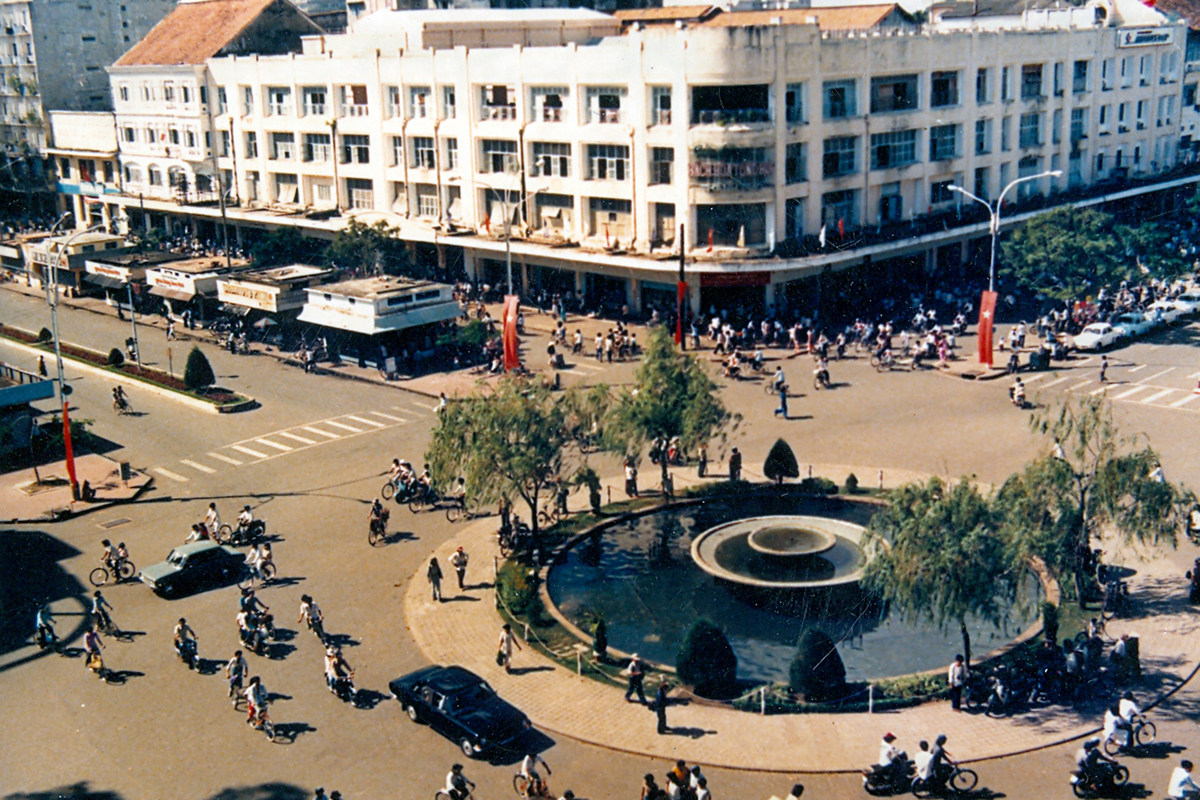
Although larger and more modern buildings are necessary for progress, the demolition of Thuong Xa Tax left many feeling a sense of nostalgia. However, in the construction of the new Satra-Tax Plaza, which now stands in its place, the designers paid tribute to the original building. They preserved the original design elements, such as the stone mosaic type and the two main stairs, creating a harmonious blend of past and present architectural styles. This deliberate homage ensures that the spirit of Saigon’s prosperity, once embodied by Thuong Xa Tax, lives on.
If you ever find yourself in Ho Chi Minh City, you may not be able to admire the original Thuong Xa Tax building, but you can still feel its antiquity and experience the harmonious combination of European and Asian architecture in the new structure.
Travel Guide
To learn more about the history and culture of Ho Chi Minh City, visit our Travel Guide. Get insider tips and recommendations to make the most of your trip to this vibrant city.
Information:
- Address: No. 137 Nguyen Hue Street, Ben Nghe Ward, District 1, Ho Chi Minh City
- Construction Year: 1880
- Demolition Year: 2016
- Area: 9,200 m2
- Architectural Type: Art Deco
Useful Information
- Location: 137 Nguyen Hue, Ho Chi Minh City
- Best for: No longer in use
- Entrance: No longer in use
- Hours: No longer in use
- Distance to city center: 9.5km (5.9 mi)