There are certain cultural elements that have the power to captivate people from all corners of the globe. One such element is the Ao Dai, a traditional Vietnamese attire that has managed to transcend time and leave an indelible mark on the world of fashion.
Origins and Evolution
The exact origins of the Ao Dai may be shrouded in controversy, but its unique and enchanting design is thought to have been influenced by the imperial Chinese garb of the Qing Dynasty, known as Cheongsam. While both garments share a fitted, full-length dress worn over loose-fitting trousers, the Ao Dai sets itself apart with a daring slit running from the waist down, elegantly contouring the pants. It wasn’t until the Nguyen Dynasty in 1744 that a decree was issued, requiring both men and women to wear this combination of pants and gown. However, it wasn’t until 1930 that the Ao Dai took on the shape we now recognize.
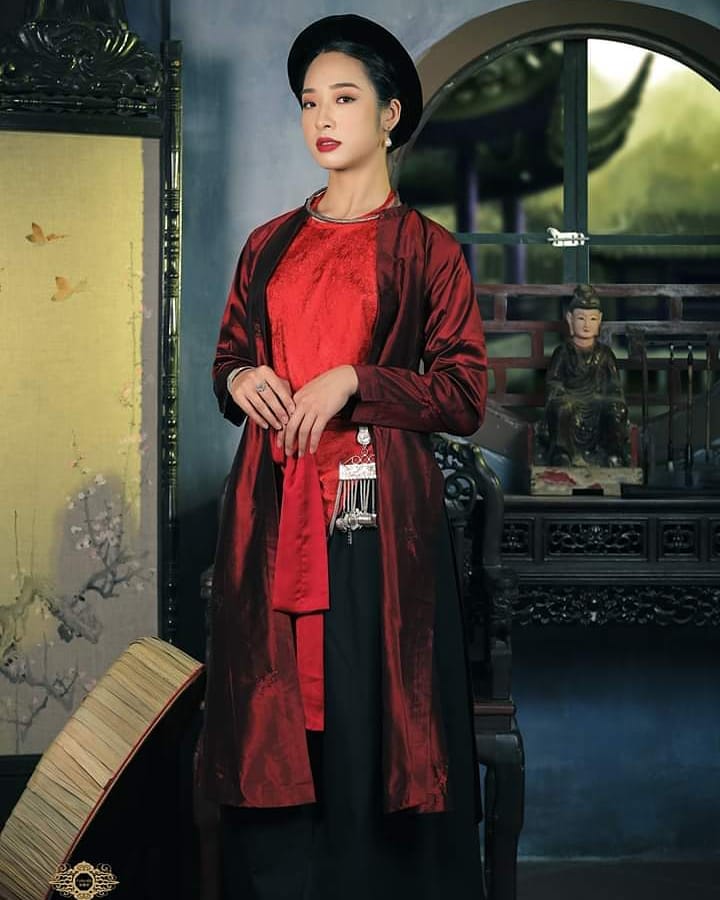
The Ao Dai has undergone various modifications throughout its history. The five-paneled dress known as the Ao Tu Than, which had been worn by Vietnamese women for centuries, eventually evolved into the closest predecessor of the Ao Dai. The older version consisted of five flaps: two in the back, two in the front, and one under the front lap. The modern Ao Dai, on the other hand, is more tightly fitted and features a higher collar without a bodice underneath.
The Le Mur Tunic and Modern Adaptations
It is widely believed that in 1930, the Vietnamese fashion designer Cat Tuong, also known as Le Mur, made significant modifications to the Ao Dai. She elongated the top to reach the floor, reduced the amount of material required, and slimmed down the flaps. As a result, this updated Ao Dai came to be known as the Le Mur tunic.
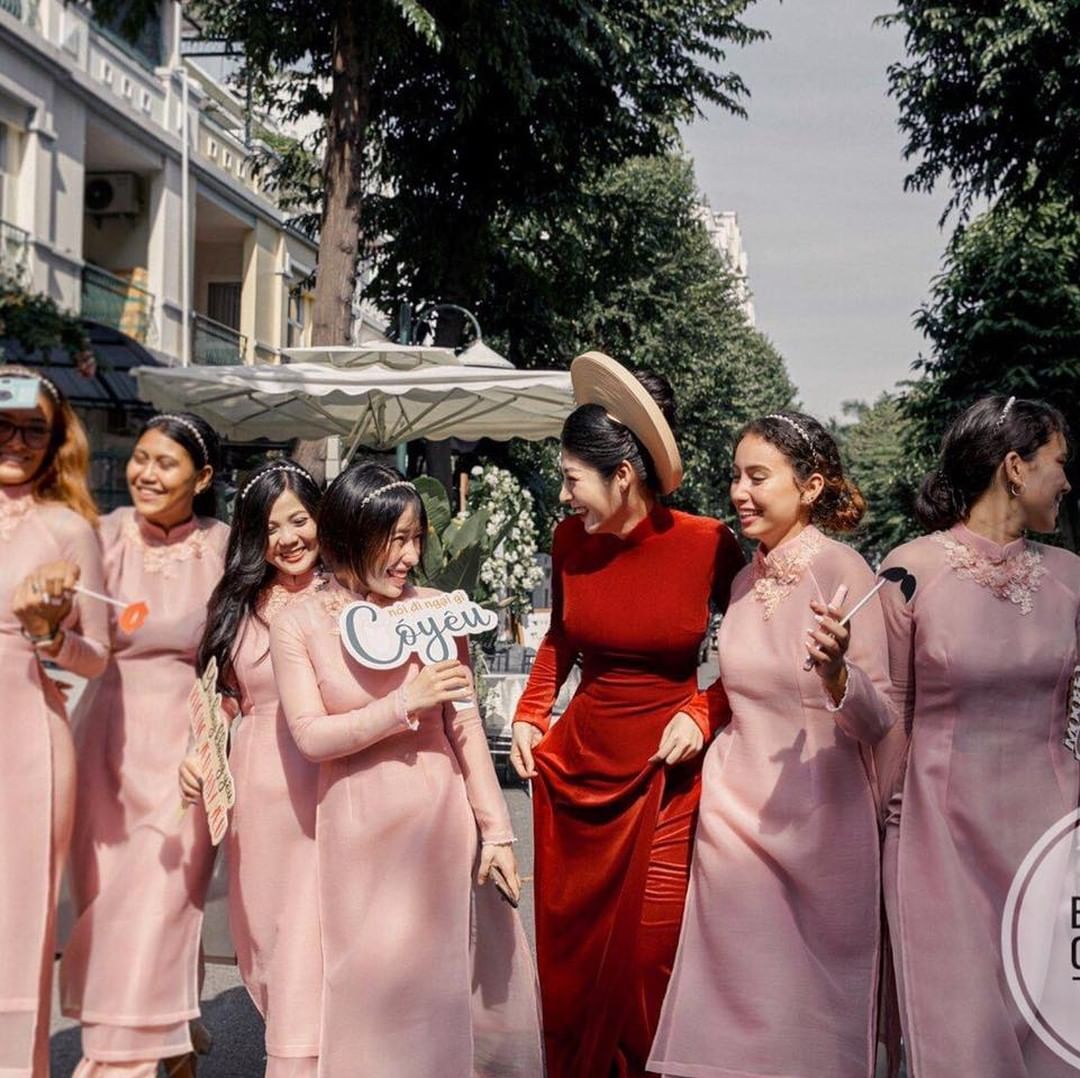
Throughout the 20th century, the design of the Ao Dai witnessed further transformations. From floral to checkered patterns, the use of transparent fabrics, variations in neck collar styles (ranging from boat to mandarin), and changes in the gown’s length and pants’ colors, each adaptation added a unique touch. The modern Ao Dai we see today is tight-fitting, accentuating and flattering the natural curves of women. It is a garment that covers everything, yet hides nothing, especially when made of thin or see-through fabric.
An Everlasting Symbol of Vietnamese Culture
Unlike many traditional costumes that have faded into obscurity over time, the Ao Dai retains its popularity and influence in modern-day Vietnamese culture. While it is no longer worn by men, nor by women in their daily lives, it continues to be a cherished part of special occasions. The Ao Dai remains the dress of choice for women during traditional festivities, such as Tet (Lunar New Year) celebrations, weddings, and graduations. In fact, some high schools and universities in Vietnam consider the white Ao Dai as the official uniform for female students.

A Lasting Impression
The beauty of Vietnamese women is magnificently showcased in the Ao Dai, making it the quintessential representation of their elegance and grace. It comes as no surprise that the Ao Dai has become an iconic symbol of Vietnam, deeply ingrained in its cultural heritage. For foreign tourists departing from this enchanting country, the Ao Dai serves as the perfect keepsake, reminding them of the beauty and allure they experienced during their time in Vietnam.
To learn more about the wonders of Vietnamese culture and explore additional travel destinations, visit Travel Guide. Embrace the allure of the Ao Dai and immerse yourself in the rich tapestry of Vietnam’s vibrant traditions.
Note: The content of this article is intended for informational purposes only and does not constitute endorsement or promotion of any specific products or services.