Cu Lao Cau Island feels like a remote getaway, a place where castaways might find themselves washed up on its pristine shores. However, this unspoiled island is actually just 8 km from the Vietnamese mainland and about 110 km from Phan Thiet City. Cu Lao Cau, also known as Cau Island due to its abundance of wild spinach, is a small, undeveloped paradise spanning approximately 1.5 square kilometers. This Darwinian dreamscape is a marine ecosystem teeming with coral reefs, seagrass beds, and diverse aquatic and avian species. In Vietnam, Cu Lao Cau Island is a well-kept secret awaiting discovery.
The Journey to Cu Lao Cau Island
Located in Binh Thuan province in Southern Vietnam, visitors can embark on their journey to Cu Lao Cau from the ports of Phuoc, Lien Huong, or Ca Na. These ports can be easily reached from Ho Chi Minh City via bus, taxi, train, car, or motorbike. Since there is no proper docking infrastructure on the island, commuter boats anchor nearby, ferrying adventurers to the island in coracles—small, round fishing boats that have been popular among Vietnamese seafarers for generations.
A Delight for Adventurers
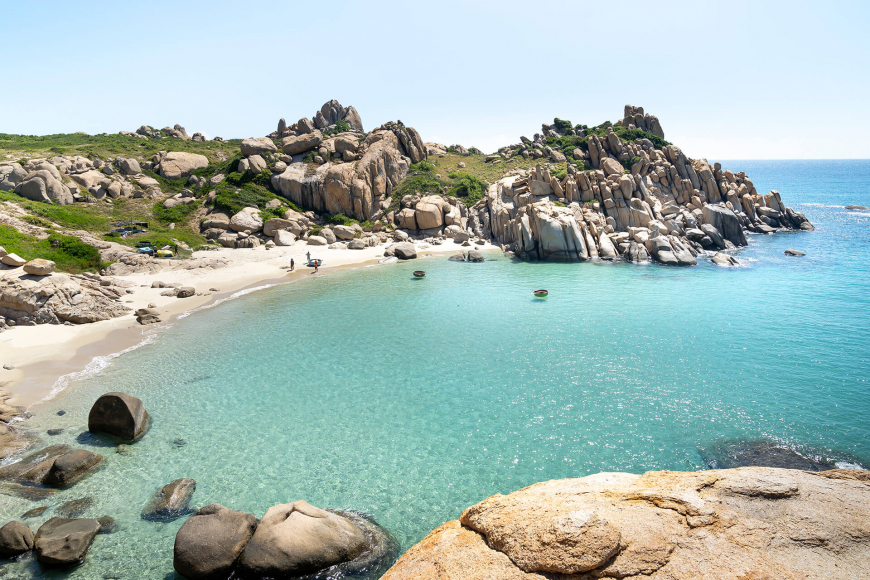
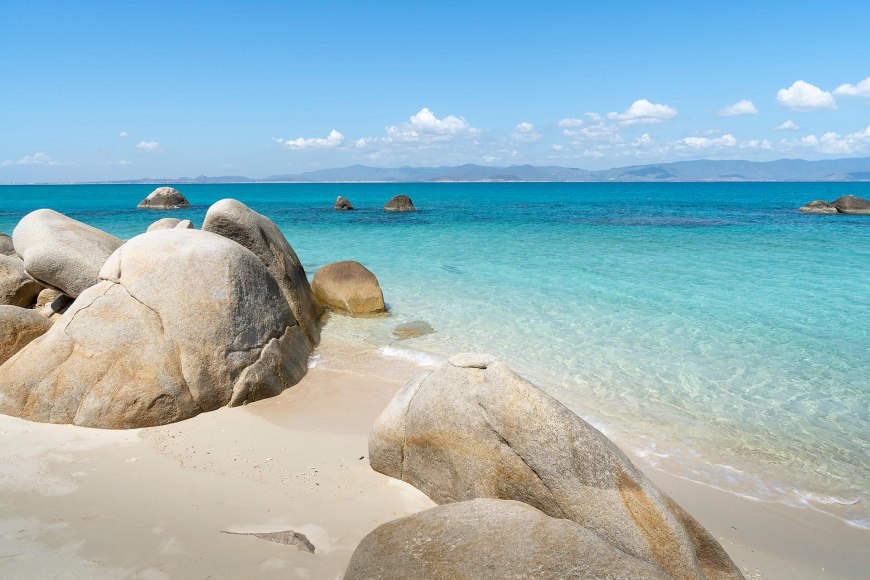
Cu Lao Cau Island is a trekker’s delight and a snorkeler’s paradise. It boasts sandy white beaches, crystal clear waters, limestone rocks in various hues and shapes, and captivating caves waiting to be explored. The island features a massive coral reef home to hundreds of coral varieties. In essence, while Cu Lao Cau may not appeal to everyone, intrepid travelers will find it to be a fascinating wonderland for nature lovers.
The island offers numerous beaches, and during low tide, the shore becomes a colorful mosaic of exposed seashells. As the sun changes its position in the sky, the island’s tones transform, creating mesmerizing visuals.
Cu Lao Cau Island relies solely on solar energy for electricity and does not have any hotels, allowing visitors to pitch their own tents. The island features only one freshwater well known as Gia Long Well. For those seeking adventure, there are various tours available, including fishing, kayaking, snorkeling, and hiking. Additionally, a couple of eateries offer delicious meals for those who prefer not to cook their own fresh catch. Cu Lao Cau Island is truly a place to embrace roughing it and reconnecting with nature. While day trips are recommended, the more adventurous can choose to camp overnight.

Source: Instagram – soi_loi_nhoi
Cultural Celebrations and Wildlife Encounters
Cu Lao Cau Island is not just a natural paradise; it also offers cultural experiences and wildlife encounters. One notable event is the annual primitive celebration that takes place during April’s full moon. Fishermen gather at the sacred temple of the Nam Hai god, where they pray to “Ong Fish,” the God of their seas, for calm waters, abundant fish, and the safety of sailors. This festival truly embodies the spiritual connection between the island’s people and the sea. Even if you can’t attend the festival, a visit to the temple is a worthwhile experience.
Another unique opportunity on Cu Lao Cau Island is the chance to participate in a program that trains visitors in sea turtle rescue skills. The island’s inhabitants are deeply committed to protecting this endangered species and preserving the entire ecosystem of their precious island. Engaging with the island’s people and wildlife presents an interactive and educational experience.
A Gastronomic Delight
Cu Lao Cau Island offers a culinary adventure, with seafood as the star of the show. Visitors can savor a variety of fresh catches and unique dishes. One such delicacy is the “Ốc Vú Nàng” (Cellana) mollusk. Unlike traditional snails in shape, this delicacy features in many dishes and can only be found in a few places in Vietnam and the world.
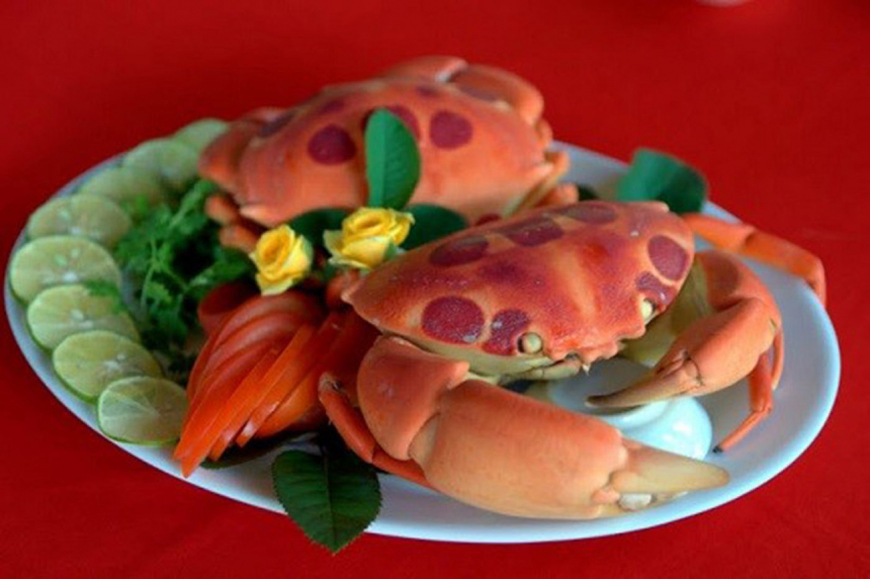
Moon Crab, a lesser-known crustacean, is a hidden gem and a staple on the island. Cui So, a scallop dish prepared with crushed peanuts and special island seasonings, is another standout. Grilled oysters are popular, with many dishes prepared barbeque-pit style. The island offers an array of delectable and diverse seafood, all sourced fresh from the surrounding waters. Visitors are encouraged to try their hand at fishing for their own food, with fishing gear and bait readily available.
Source: Internet
Best Time to Visit
Cu Lao Cau Island is not accessible year-round, as weather conditions play a significant role in its accessibility. The best time to visit is between February and July when the weather is ideal, the surf conditions are favorable, and island activities are in full swing. If you plan your visit for mid-May, you can also enjoy the Nam Hai God Festival.
How to Reach Cu Lao Cau Island
To reach Cu Lao Cau Island, you need to travel from Ho Chi Minh City to Binh Thuan province. From Ho Chi Minh City, you can choose from various forms of transportation to reach one of the three access points:
-
Ca Na Fishing Port: The boat journey from the port to Cu Lao Cau Island takes a little over an hour.
-
Lien Huong Wharf: From this wharf, fishing boats, canoes, or speedboats transport visitors to the island. Departures originate from the Marine Conservation Center, which is worth exploring. The trip takes approximately forty-five minutes.
-
Phuoc The Fishing Port: Fishing boats are readily available for a thirty-minute journey to the island. Alternatively, you can try stowing away on one of the boats delivering supplies to the island.
Cu Lao Cau Island is an unspoiled paradise that locals and the government are devoted to protecting and preserving. It is a haven for nature-loving and adventurous travelers seeking an escape from the ordinary. Plan your journey to Cu Lao Cau Island, and embrace the wonders of this untouched paradise.
To learn more about travel destinations and experiences, visit Travel Guide.