Hidden deep in the lush greenery of Northern Vietnam, Ba Be National Park stands as an enchanting ecotourism destination. With its diverse ecosystem shaped over thousands of years, it truly is a land of unparalleled beauty.
Where is Ba Be National Park?
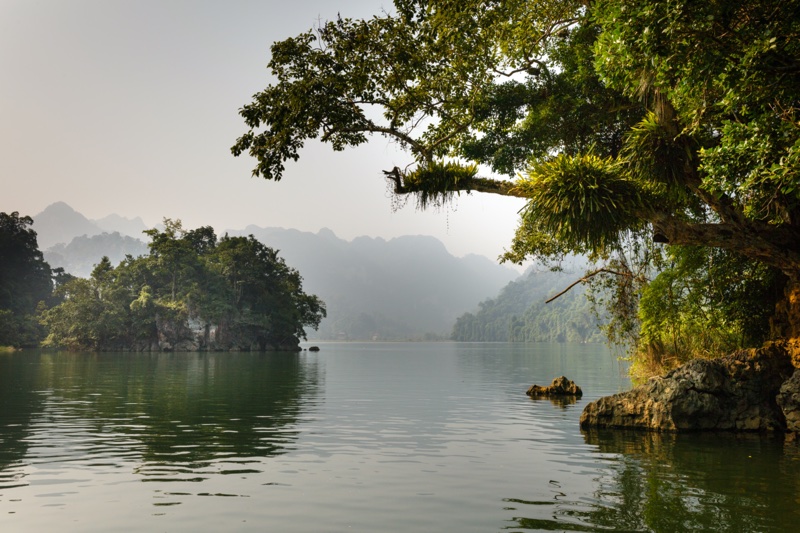
Situated in the North-Eastern province of Bac Kan, Ba Be National Park is home to serene lakes, glistening rivers, and majestic mountains. Located over 200 kilometers northwest of Hanoi, it ranks as Vietnam’s 8th largest national park and is recognized by the ASEAN Heritage Parks Organization for its remarkable bio-diversity.
Best time to visit
Thanks to its year-round cool weather, Ba Be welcomes visitors at any time of the year. The dry season, from winter to spring, provides optimal conditions for trekking, with temperatures ranging from 8-25°C and minimal rainfall. Spring also brings the renowned Long Tong festival, a vibrant celebration of traditional rituals and performances by local ethnic minorities.

From August to October, Ba Be showcases its true splendor, with jade-colored waters and golden rice fields as far as the eye can see. However, it’s worth noting that during the rainy season, the lake may become flooded due to water from the Nang River.
How to get to Ba Be National Park
As Ba Be is located in a remote area, the most common means of transportation are shuttle buses or motorbikes.
By shuttle bus
Daily tourist shuttles run from Hanoi and other Northern provinces to Ba Be National Park. One option is to take the local bus named Thuong Nga, departing from My Dinh bus station in Hanoi, which will take you directly to the park entrance. Alternatively, you can take a bus to Bac Kan and then hire a motorbike to cover the remaining 16 kilometers to Ba Be. There are also bus companies that offer routes from Lao Cai (near Sapa) to Ba Be.

By motorbike
For those seeking adventure, riding a motorbike to Ba Be is a fantastic option. Although it takes approximately 6 hours to navigate the rugged roads, the breathtaking scenery along the way makes it a worthwhile journey. Follow National Highway 3 (QL3) from Hanoi through Soc Son, Thai Nguyen, Cho Ra, and finally, Ba Be. This route allows you to admire the untouched natural beauty of the mountains and the rustic charm of the local ethnic minority villages.

Major Attractions
Ba Be Lake
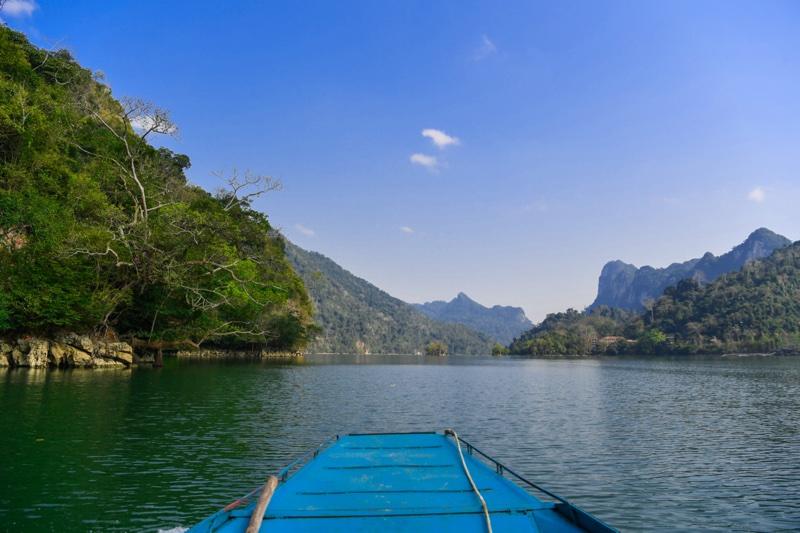
Nestled in the heart of Ba Be National Park, Ba Be Lake is a natural masterpiece. Listed among UNESCO’s top 20 most beautiful lakes worldwide, it comprises three freshwater lakes: Pe Lam, Pe Lu, and Pe Leng, covering a total area of 5,000 square kilometers. As the largest freshwater lake in Vietnam, Ba Be Lake boasts pristine emerald waters surrounded by stunning forests. Exploring the lake by boat offers unique views of karst mountains, lush greenery, and the symphony of local birdlife.
Thac Bac Waterfall
Tucked away in the depths of the forest, Thac Bac, also known as Silver Waterfall, is a mesmerizing multi-layered cascade located 8 kilometers south of Ba Be Lake. The waterfall is formed by numerous small lakes, creating a picturesque scene as white bubbles rush down the vertical cliffs. It’s a perfect spot to immerse yourself in nature’s beauty.

Hua Ma Cave
Unexplored until recent years, Hua Ma Cave exudes an enigmatic charm. Located deep within Co Don Mountain and Ma Forest, this mystical cave showcases stunning stalagmites and stalactites that sparkle like jewelry. Embark on an exhilarating journey to uncover the secrets hidden within its ancient walls.

Puong Cave
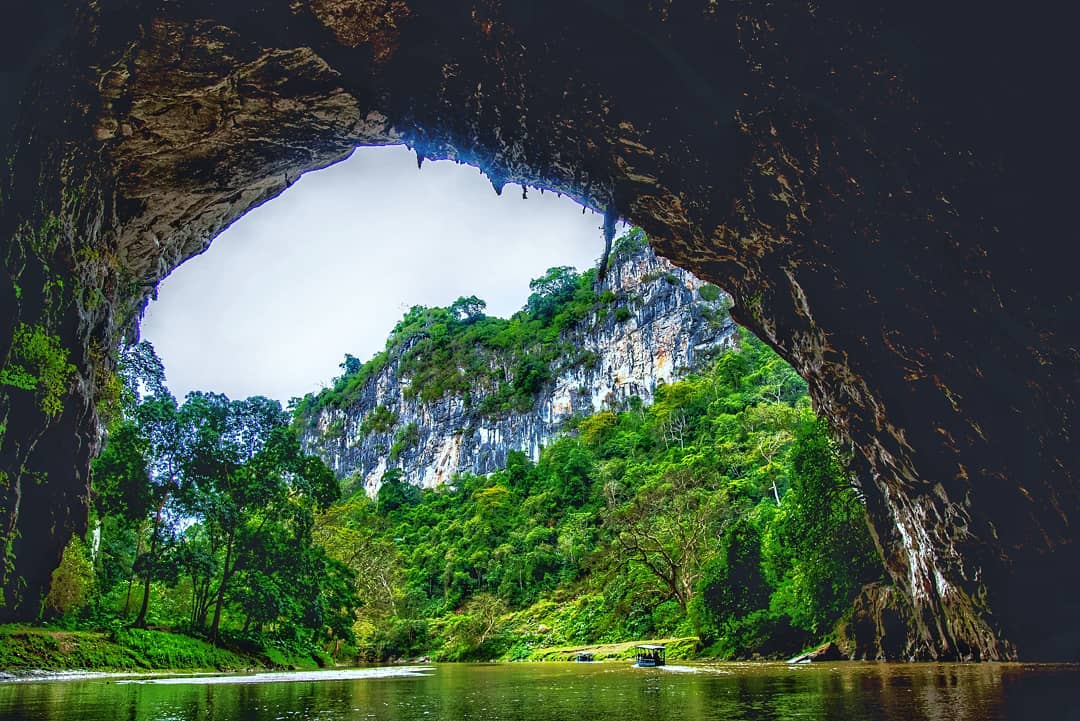
Accessible only by waterway, Puong Cave is a natural masterpiece formed by the Nang River flowing through Lung Nham karst mountain. Its colorful stalagmites and shimmering river create a poetic spectacle amidst the white limestone mountain ranges.
Dau Nang Waterfall
Nestled between two karst towers in the western part of the national park, Dau Nang Waterfall captivates visitors with its striking beauty. With three layers of rugged rocks surrounded by dense tropical forests, the waterfall offers a breathtaking scene that epitomizes the raw splendor of Ba Be.

Pac Ngoi Village
Located peacefully on the banks of the Leng River, Pac Ngoi Village is a tranquil oasis filled with wooden stilt houses belonging to the Tay ethnic group. Set against a backdrop of chalky limestone mountains, the village’s quaint charm resembles scenes from a fairy tale. Stay in a rustic stilt house, indulge in local delicacies, explore the lake by canoe, and immerse yourself in the daily life of the friendly villagers.

Fairy Pond
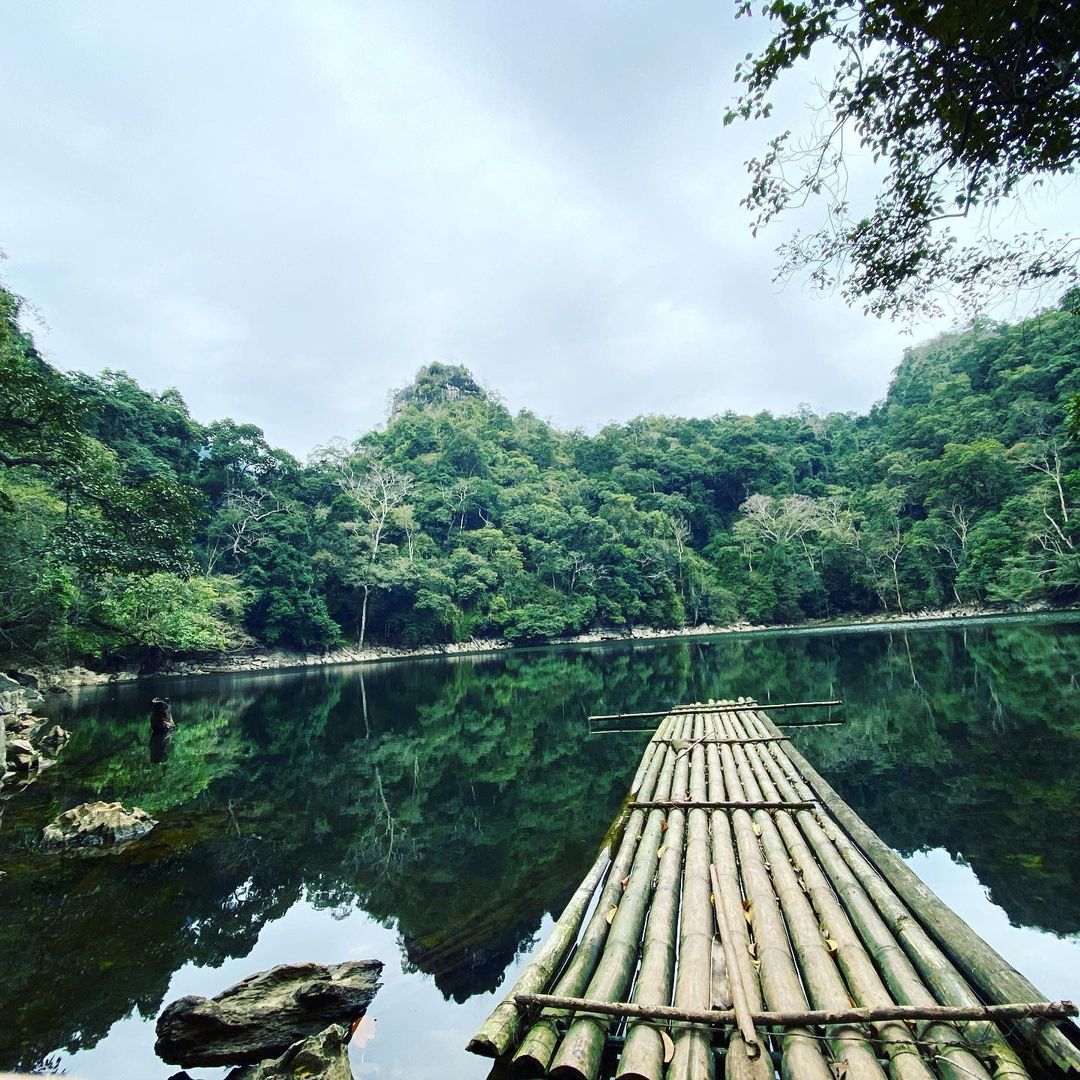
Perched atop a sloping hill, Fairy Pond is a mesmerizing jade-colored lake bordered by karst mountains and primeval jungles. Legend has it that a local hunter discovered seven beautiful fairies bathing in the pristine pond, hence its enchanting name. Immerse yourself in the serene ambiance and witness the ethereal beauty of this natural wonder.
What to do in Ba Be National Park
Trekking in Ba Be
With the dominant Pia Booc mountain range standing at an altitude of 1527 meters above sea level, Ba Be is a paradise for trekking enthusiasts. Its majestic mountains, dense forests, meandering rivers, and captivating waterfalls offer an unforgettable experience for those seeking adventure in Northern Vietnam.

Kayaking on Ba Be Lake
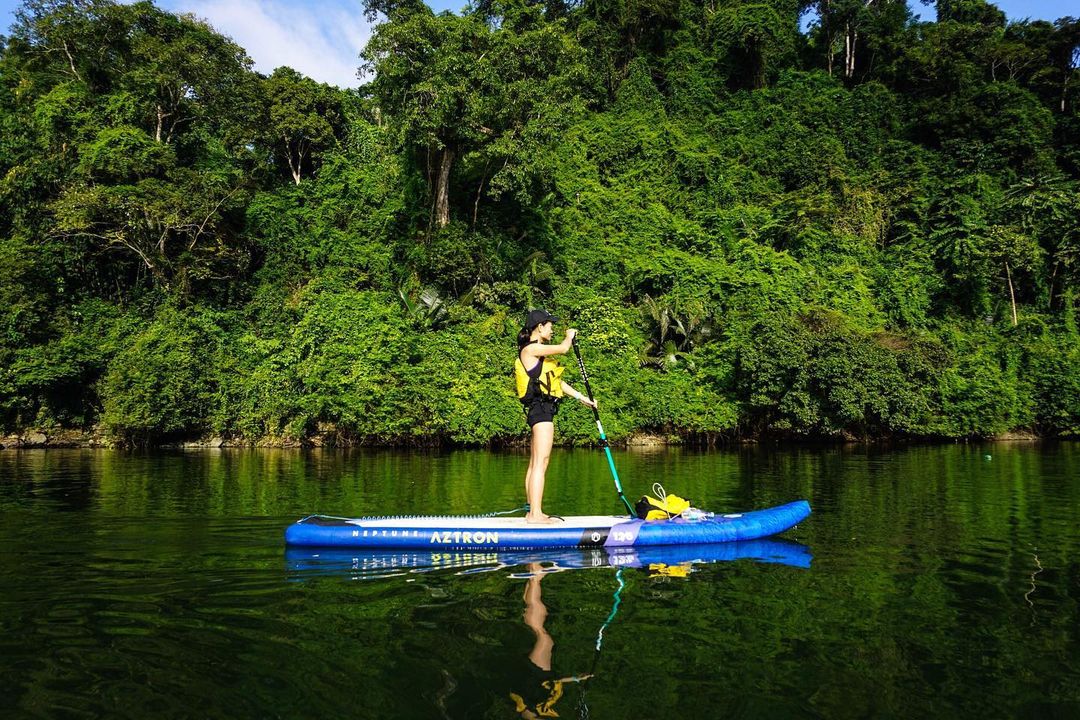
For a pure communion with nature, embark on a boating or kayaking adventure on the vast Ba Be Lake. Discover hidden caves, visit fishing villages, and marvel at the limestone karsts. Kayaking allows you to explore areas inaccessible to larger boats, granting you an up-close encounter with the breathtaking beauty of Ba Be.
Biking to discover the land
Exploring Ba Be and its surroundings by bicycle is an absolute must. From mirror-like lakes and towering limestone peaks to lush forests and serene rivers, the rustic roads around the national park offer breathtaking views at every turn. Starting from Pac Ngoi village, pedal your way through Tay villages, Hua Ma Cave, and Silk Waterfall, relishing the fresh air and tranquil ambiance unique to Northern Vietnam.

Getting an insight into local life of ethnic groups
For hundreds of years, ethnic minority communities have called Ba Be home. Ban Cam, Pac Ngoi, and Coc Toc are beautiful hamlets inhabited by the Tay people, known for their traditional wooden stilt houses. Immerse yourself in the local culture by staying with a hospitable family in a rustic homestay, enjoying their warm hospitality and savoring authentic local delicacies. This is an opportunity to gain a deeper understanding of the unique cultural heritage of the ethnic groups residing in the area.

Accommodation
Ba Be offers a range of accommodation options, including homestays, guesthouses, and nearby hotels. However, staying in a local homestay run by ethnic minorities is an unforgettable experience that should not be missed. These homestays not only provide comfortable lodging but also allow you to immerse yourself in the local culture. Two highly recommended homestays are:
Mr. Linh’s Homestay
Located on the banks of Ba Be Lake, Mr. Linh’s Homestay offers a serene retreat from the outside world. Stay in cozy wooden stilt houses with palm leaf roofs and enjoy the breathtaking views of Ba Be. This homestay provides a wonderful opportunity to learn about Tay culture while basking in the beauty of the surroundings.

Location: Coc Toc Village, Ba Be National Park, Bac Can
Hoa Son Homestay
Situated on the southern shore of Ba Be Lake, Hoa Son Homestay is known for its panoramic views of the lake. With comfortable rooms and a tranquil atmosphere, this homestay offers a peaceful escape at an affordable price.

Location: Pac Ngoi Village, Ba Be National Park, Bac Can
Related Articles
If you’re interested in trekking and similar attractions to Ba Be National Park, you may also enjoy reading the following articles:
- 5 Most Famous National Parks of Vietnam
- Cuc Phuong Considered for World Heritage Site
- 9 Best Places for Trekking in Vietnam
- Vietnam Camping Tips
Useful Information
- Location: Vuon Quoc Gia Ba Be, Bac Kan, Vietnam
- Best for: Family, couple, solo
- Entrance: Free
- Hours: All hours
- Distance to city center: 35.7 km (22.2 mi)
For more information, visit the official Travel Guide.