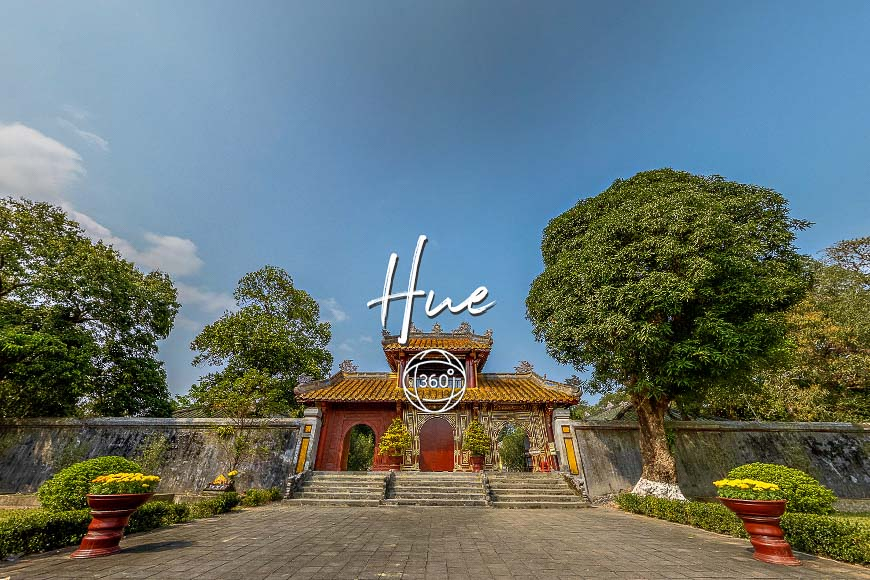
The Hue tombs hold a captivating allure, transporting visitors to a forgotten world steeped in history and mystery. Designed by the Nguyen Kings, these tombs not only embody the lives and souls of these rulers but also tell the story of an enthralling period in Vietnam’s history. Join me as we dig deeper into the fascinating tales of the Hue tombs, discovering their significance and unique charm.

A Journey Through History
The Hue tombs serve as a tangible reflection of Vietnam’s past, encompassing stories of national unification, military conquest, and the impact of French colonialism. Each tomb reflects the temperament, philosophy, and priorities of the respective Nguyen King who designed it.
Best for Intrepid Adventurers: Gia Long Tomb
Located 16km from the city, the Gia Long Tomb stands as the oldest and most atmospheric of the Hue tombs. This remote and rarely visited tomb is a haven for wanderers seeking an off-the-beaten-path adventure. As you journey to the tomb, you’ll pass by picturesque rural treasures, including overgrown graveyards and vibrant Buddhist monasteries.
Emperor Gia Long, the first Nguyen king and a significant historical figure, left his mark on Vietnam’s history. The tomb’s vast expanse sprawls across lush countryside, a testament to Gia Long’s legacy.
TIP: To fully experience this tomb, dedicate a full morning or afternoon. Consider traveling by bicycle or motorbike to enjoy a scenic path along the Perfume River.
Best for History and Culture Buffs: Minh Mang Tomb
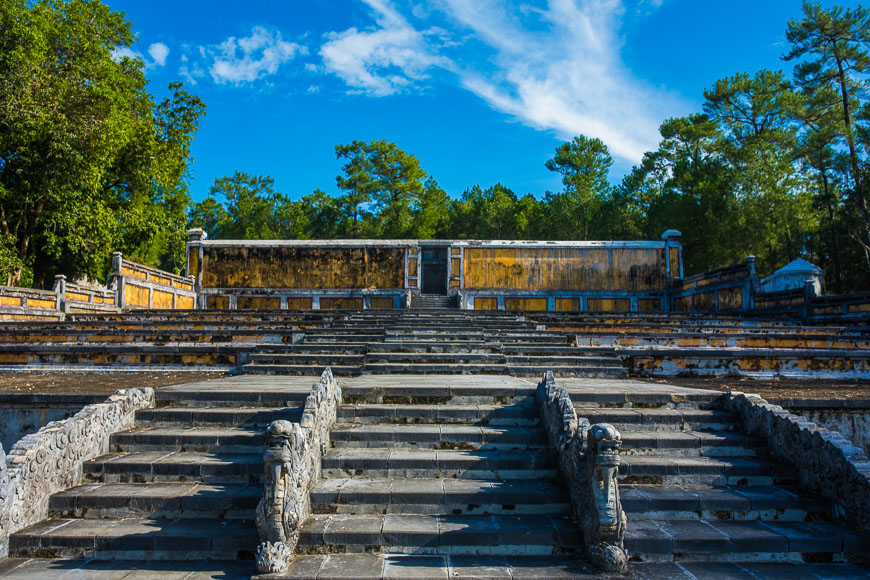
Emperor Minh Mang’s tomb is a captivating testament to military strength, successful conquest, and cultural conservatism. Ruling over a vast empire that extended into present-day Vietnam, Cambodia, and Laos, Minh Mang left an indelible mark on the region. His tomb boasts orderly structures and serene ponds adorned with colorful lotus flowers during the spring, creating a majestic spectacle.
TIP: Explore Minh Mang’s tomb, ideally during the spring, to witness the blooming lotus flowers. Remember to respect the solemnity of the site during your visit.

Best for Escaping the Crowds: Thieu Tri Tomb
For those seeking a tranquil retreat away from the bustling crowds, the Thieu Tri Tomb is an ideal choice. Comparatively less visited, this tomb provides a serene setting to reflect on the reign of Emperor Thieu Tri. The site is divided into a temple for worship and a crypt for the emperor’s resting place. Although parts of the tomb lie in ruin, it serves as a poignant reminder of Thieu Tri’s empire facing the impending colonial threat.

Best for Dreamers and Romantics: Tu Duc Tomb
Emperor Tu Duc’s tomb is a testament to romance, art, and poetry. With a deep passion for literature, Tu Duc designed his tomb to harmoniously blend with the surrounding nature. It is considered the greenest and most organic of all the Hue tombs. As Vietnam faced increasing colonial influence, Tu Duc found solace in constructing and enjoying his own tomb, where he would visit to write poetry and fish in the serene lake.
TIP: A popular attraction, plan your visit to Tu Duc’s tomb during the early morning or late afternoon to avoid the crowds and capture the picture-perfect moments.

Best for Quick Sightseeing: Duc Duc Tomb
If time is limited during your visit to Hue, the Duc Duc Tomb offers a convenient and attractive option within the city limits. Despite Emperor Duc Duc’s short reign of only three days, his small yet humble tomb exemplifies Hue’s iconic imperial architecture. It also serves as the final resting place for his close family members.
TIP: Include Duc Duc’s tomb as part of a city tour to fully appreciate its historical significance without adding extra travel time.

Best for Countryside Vistas: Dong Khanh Tomb
Resting atop a quiet hill, the Dong Khanh Tomb offers breathtaking panoramic views of the surrounding countryside. Although Emperor Dong Khanh passed away before its completion, his son oversaw the construction of this well-preserved tomb. Combining European Gothic influence with classic Asian landscaping, this tomb presents a unique blending of architectural styles. It serves as an emblem of Vietnam’s history under French control and the fleeting reign of Emperor Dong Khanh.

Best for Something Completely Different: Khai Dinh Tomb
Emperor Khai Dinh’s tomb stands out among the rest due to its unconventional blend of Eastern and Western architectural styles. As the most eccentric and controversial king of the Nguyen Dynasty, Khai Dinh embraced French colonialism, often to the chagrin of nationalist leaders. The tomb’s unique features, including climbing platforms and intricate mosaics, reflect this extraordinary fusion. Don’t miss the opportunity to capture an impressive panoramic view of the tomb from a nearby vantage point.
TIP: After exploring Khai Dinh’s tomb, take a moment to admire the panoramic view of the structure. It’s an excellent spot for a memorable photo.

Embark on an Adventure Through Vietnam’s Past
The Hue tombs offer a remarkable glimpse into Vietnam’s rich heritage, taking you on a journey through time. With each tomb showcasing unique architectural styles, historical significance, and cultural nuances, these sites hold a treasure trove of stories waiting to be explored. Immerse yourself in the beauty and profound history of the Hue tombs, and let the legends of Vietnam’s past come to life.
For more captivating travel ideas and stories, sign up for our newsletter and receive our best content directly to your inbox.