In Vietnam, the aroma of street food fills the air, tempting both locals and travelers alike. With bustling sidewalk stalls, roving vendors, and early morning markets, the country offers a mouthwatering array of culinary delights. If you’re wondering where to start your street food adventure, this handy guide will equip you with all the tools you need to navigate Vietnam’s vibrant food scene like a pro.
Eat When the Locals Do

To discover the best street food in Vietnam, follow the locals’ lead and eat when they do. Early mornings are the perfect time to taste unforgettable bowls of piping hot noodles, hearty rice porridge, or sticky rice cakes dipped in peanuts. Head to the areas near the markets, where you’ll find vendors serving school children, market sellers, and locals heading to work.
For lunch, visit the bustling lunch stalls that open from 11:30am to 1pm. Look for the cơm bình dân, where you can choose from a variety of family-style dishes like fluffy omelettes, garlicky greens, caramelized fish, and roasted pork, all served with hot rice. And when evening falls, from 6pm to 8pm, you’ll find Vietnam’s restaurants and stalls spreading their stools on the sidewalk, offering flaming hotpots, grilled seafood, and barbecue delights in the balmy evening air. Remember, the busier the stall, the more likely it’s worth the wait.
Choose Your Stalls Wisely
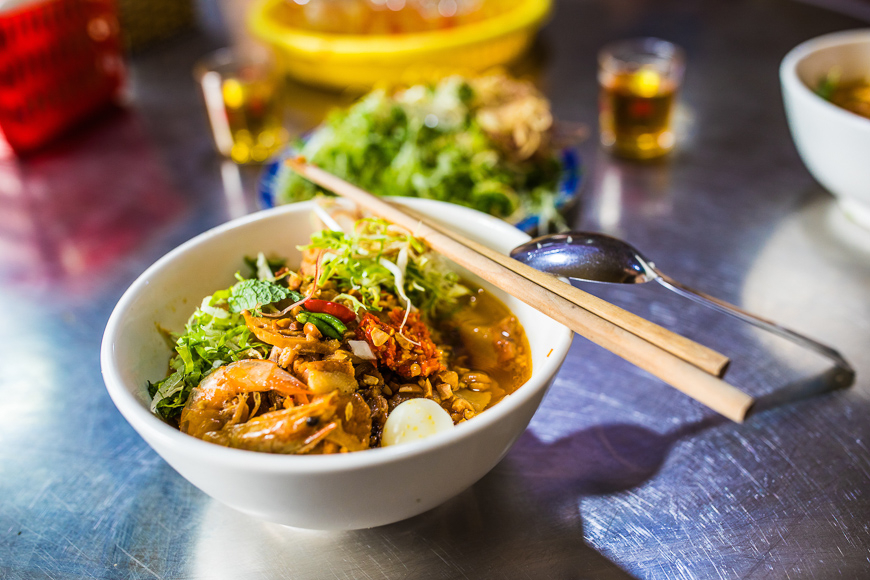
While there are well-known eateries in Vietnam that tourists love, don’t be afraid to explore new places when you travel. Keep an eye out for interesting stalls down alleys and use these criteria to judge whether they’re worth a visit:
- Is the setup clean and organized, including the tables, floors, and utensils?
- Are the ingredients or dishes nicely presented, colorful, and fresh?
- Do you spot a crowd of local customers enjoying their meals or waiting to be served?
If you answered ‘yes’ to these questions, you’ve found a good spot. Don’t hesitate to place your order and enjoy the deliciousness.
TIP: Many stalls in Vietnam specialize in just two or three dishes perfected by the owner-chef. If you’re unsure what to order, don’t be afraid to request whatever the next table is having.
Brush Up on Vietnamese Street Food Etiquette
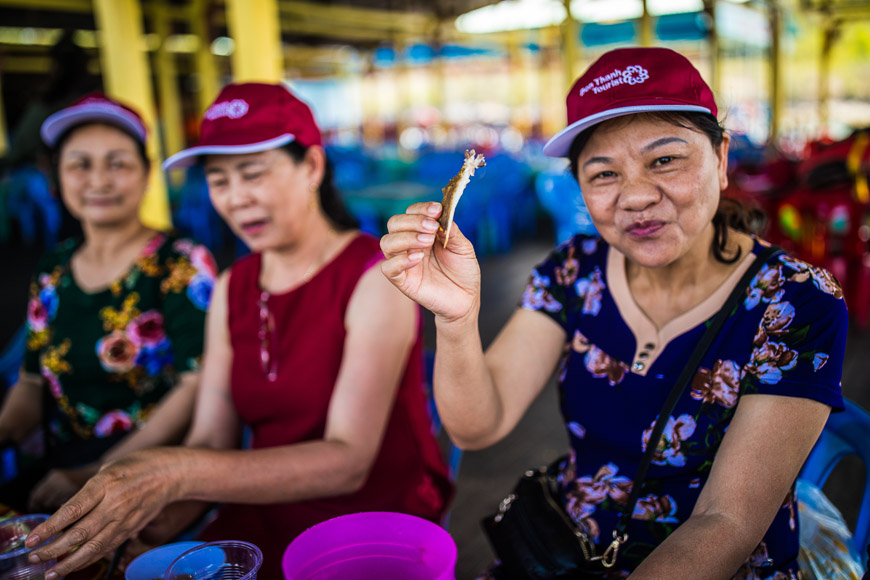
Vietnam’s street food customs are simple and forgiving, especially for newcomers. Remember these guidelines:
- Eat first, pay later: Place your order at the front and choose your own table or stool to sit at.
- Cleanliness matters: It’s normal (and wise) to wipe down your chopsticks or spoon before eating. You can also use your chopsticks to sample shared dishes on the table.
- Disposal: Drop dirty napkins, squeezed limes, or herb stems into the bins provided as you eat. After you finish your meal, lay your chopsticks together on top of your bowl.
- Bill payment: For small stalls, ask the chef for the total and pay directly on your way out. In some cases, a server may come to your table and mentally tally your bill. Trust them, as they do this every day. Written tabs are not common, but you can request one if needed.
TIP: During peak times, it’s common for other diners to join you at your table. A smile is all the interaction that’s required.
Get Savvy About Condiments and Sauces

Condiments are an essential part of the Vietnamese dining experience. You’ll often find a jar of light fish sauce, garlic and chili in vinegar, and perhaps a chili paste or pungent shrimp paste on your table. These condiments allow you to customize your meal to your liking.
Noodle dishes are typically served with a side serving of herbs and leafy greens like mint, cilantro, basil, and lettuce, which you can fold into the broth or toss with dry noodles for added crunch and aroma. For rolls, a stack of rice paper and larger leaves are offered for rolling and dipping, accompanied by a variety of dipping sauces such as tangy tamarind, sweet-and-salty fish sauce, and roasted peanut sauce. Don’t hesitate to ask your server for the right pairing.
TIP: Instead of using soy sauce, the Vietnamese prefer a few drops of fish sauce to season their meals. Fish sauce comes in countless grades and varieties and is a staple in any kitchen.
Try Some Basic Vietnamese Words

While enjoying your meal, you may want to express yourself using some common Vietnamese phrases. Here are a few essentials to learn:
- “Em ơi!”: Use this confident phrase to get a server’s attention anywhere in Vietnam.
- “Không thịt”: If you’re a vegetarian, use this phrase to request no meat in your dish. For strictly vegetarian food, say “Ăn chay.”
- “Ngon quá”: This means “very delicious” and is an excellent way to compliment your meal.
- “Một suất”: When pointing out your preference, ask for “one serving.” For specific items, say “một cái này.”
- “Trà đá”: In Vietnam, instead of water, most stalls serve iced green tea. In cold weather, you can ask for “trà nóng” (hot tea) to accompany your meal.
- “Tính tiền”: When you’re ready to leave, use this phrase to request the bill.

Happy eating!
To discover more exciting Vietnam travel ideas, sign up for our newsletter to receive the best stories directly in your inbox.