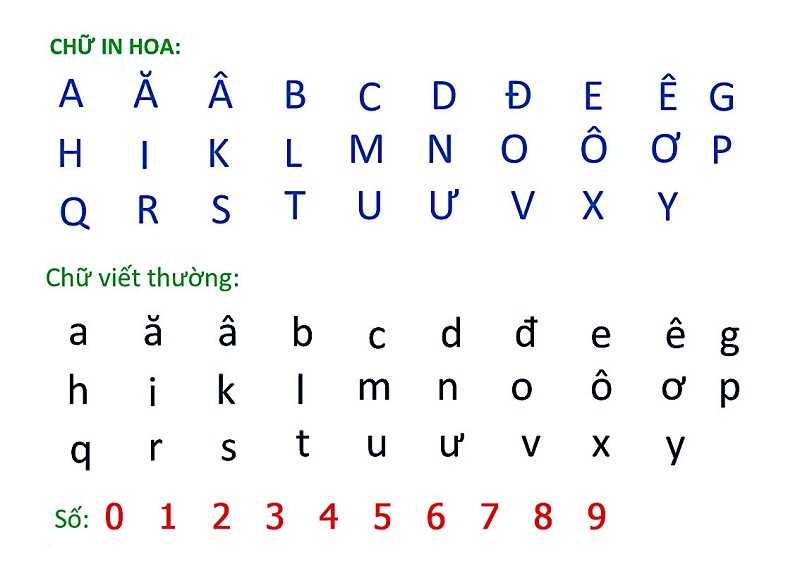
Vietnamese, a language that stands out in Asia for its use of the Latin alphabet, offers a unique linguistic experience. Unlike other languages in the region, Vietnamese’s reliance on familiar letters makes it easier to navigate street signs and grasp the fundamentals of the language. Interestingly, this modern version of Vietnamese was developed by a Spanish Missionary during the era of French colonization, resulting in pronunciations that bear a striking resemblance to Spanish.
Unraveling the Intricacies
While Vietnamese and Spanish may share similarities in pronunciation, there is one key distinction that sets Vietnamese apart – its use of six intonations in both speaking and writing. It might be a challenge to master the language during a short visit, but having some basic words in your arsenal will impress locals and make you more approachable than a mere passer-by. In Vietnam, you’ll find that many Vietnamese, especially the younger generation, speak English fluently. Even if they may initially appear shy towards foreigners, they are always ready to lend a helping hand if you’re lost and need directions. Additionally, some locals are eager to engage in conversation to enhance their foreign language skills.

Embracing Vietnamese Language Learning
It’s widely accepted that when one stays in a foreign country for an extended period, making an effort to learn the local language is crucial. Vietnamese, being one of those “exotic” languages, adds a whole new layer of excitement to one’s linguistic repertoire. While many people are comfortable with at least one foreign language, boasting an excellent command of Tiếng Việt is an entirely different achievement.
Mastering Vietnamese is not just fun and useful; it also shows respect for the local people and their culture. Imagine putting yourself in the shoes of your expat neighbor. After two months of being in a new town, don’t they deserve a compliment for even attempting to learn the language? It’s a small gesture that goes a long way.
The Challenge of Pronunciation
While Vietnamese grammar is relatively easy to pick up, the same cannot be said for pronunciation. It falls into the category of “more difficult” languages. According to Voxy, the average learner needs around 1,100 hours of class time, plus additional practice outside the classroom, to achieve proficiency. Real study is key to success.
In Vietnam, there are expats who have stayed for years and become fluent in the language. Some, like the famous Joe Ruelle, known locally as “Dâu Tây” (Western Berry), have even gone on to write blogs and host television shows. Dâu Tây emphasizes that nowhere else in the world are people as eager to engage with foreigners and provide them with opportunities to practice the language. Vietnamese people are incredibly welcoming, and once you can hold your own with the locals, you’ll experience a level of hospitality that is hard to match elsewhere.
To truly understand a country, one must immerse themselves in its language. Vietnam is renowned for its friendliness and hospitality, and speaking Vietnamese opens the door to even warmer treatment from the locals. The Vietnamese people truly appreciate the effort made by foreigners to learn their native tongue. In many ways, one can never fully grasp the essence of a country without understanding its language. So, what are you waiting for? Grab a Vietnamese language book and embark on this rewarding journey!
Bây giờ thì lấy sách ra học, mau!!! (If you don’t know what this means, well, it’s time to learn Vietnamese!)
Related Readings: