Besides fresh ginger, yellow tamarind, or green squash, the childhood fruit – soursop (mang cau in Vietnamese) must have become nostalgic memories in Southern Vietnamese people’s hearts. In recent years, despite being sometimes absent in the five-fruit tray every Tet holiday, this rewarding fruit is still close and connected to each Vietnamese family, and is adored by both adults and children.
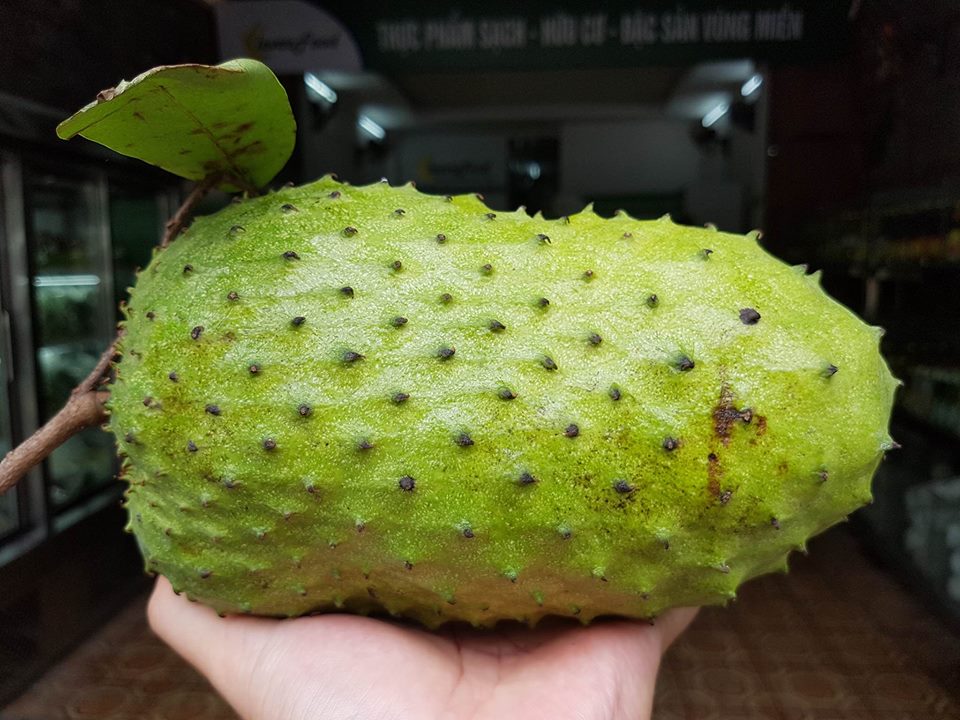
How to Eat Soursop
Soursop is a fruit that has a delicious aroma and taste loved by both Vietnamese locals and foreigners. However, due to its rough skin, knowing how to eat soursop can be a bit tricky for foreigners. Here’s a simple guide to cutting and enjoying the fruit.
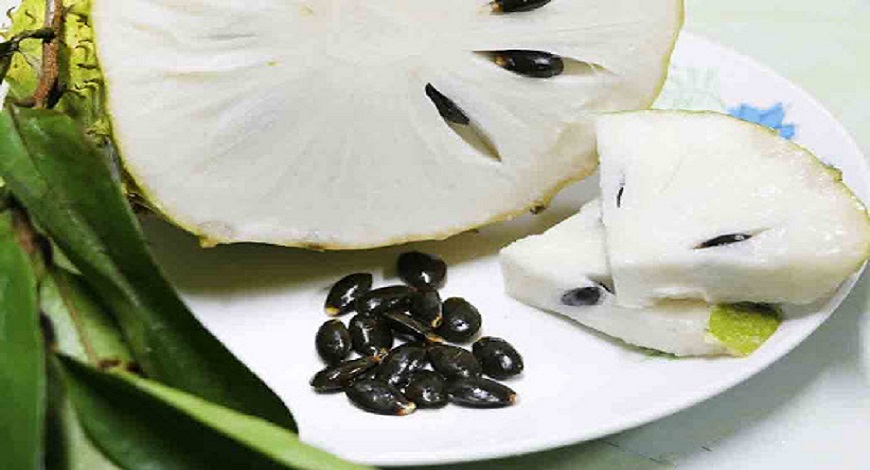
First, rinse the fruit under clean running water for a few minutes to completely remove dirt, bacteria, and preservatives. Then, peel off the outer skin with a knife or by hand, and remove the stem and inner core. Finally, you can cut the fruit into small pieces. It can be eaten immediately or refrigerated for refreshment.
Where Are Soursops Grown in Vietnam
Soursop trees in Vietnam are imported plants that thrive in land with abundant nutrients, good drainage, and warm sunshine all year round. These trees are suitable for hot, humid tropical areas, with high humidity and not too cold temperatures. As a result, they are commonly grown in the Southern Vietnamese provinces, especially in the regions around the Mekong Delta and the Central Highlands like Dak Lak.
Benefits of Soursops
With a rich content of vitamins and minerals, soursop helps improve overall health, prevent aging, and give you smooth, youthful skin. The fruit contains more vitamin C compared to bananas, grapes, or pineapples. Therefore, soursop has a positive effect on improving the immune system and is also effective for blood toning, digestion improvement, strengthening resistance, lowering blood pressure, and preventing cancer. It is a perfect energy source for the body.
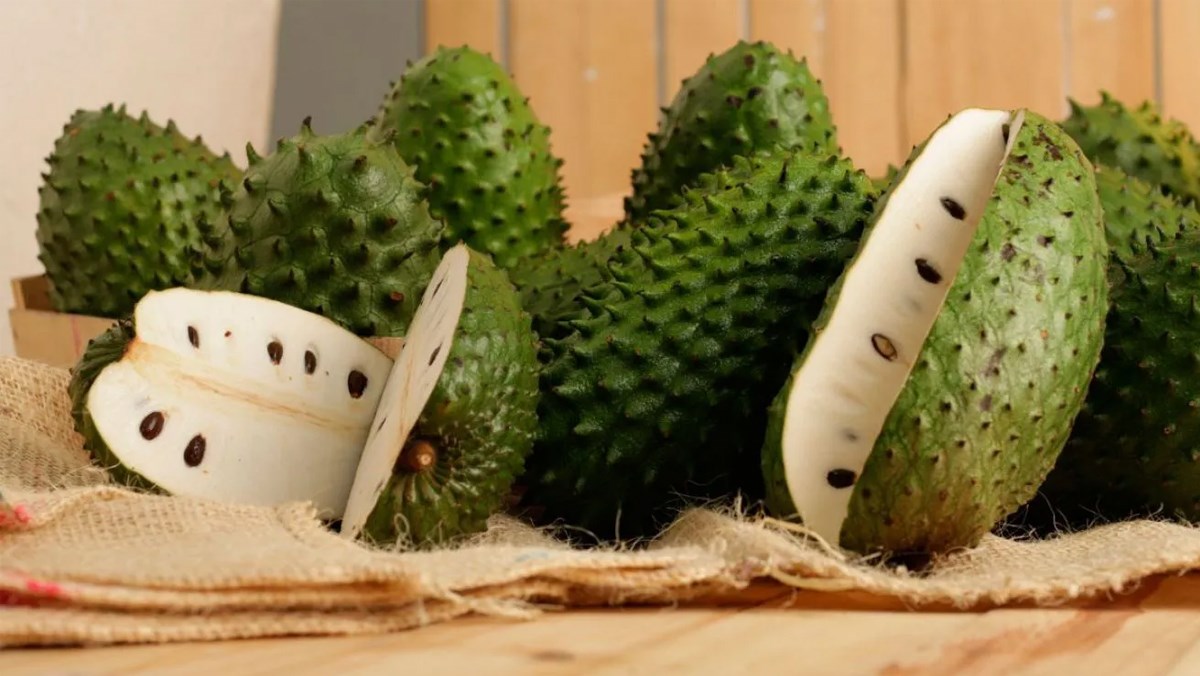
In addition, these nutrients also play a supporting role in the digestive process, increasing metabolism and converting fat into energy, helping the body burn fat and excess sugar effectively. Hence, you can comfortably enjoy soursop without worrying about storing excess fat, as it is a fruit that helps you lose weight quickly and effectively.
Food Made from Soursop
Soursops have a sweet taste and are quite delicious, so they are often used to make ice cream, candies, or other foods and smoothie drinks. Additionally, their leaves can also be boiled and served like tea.
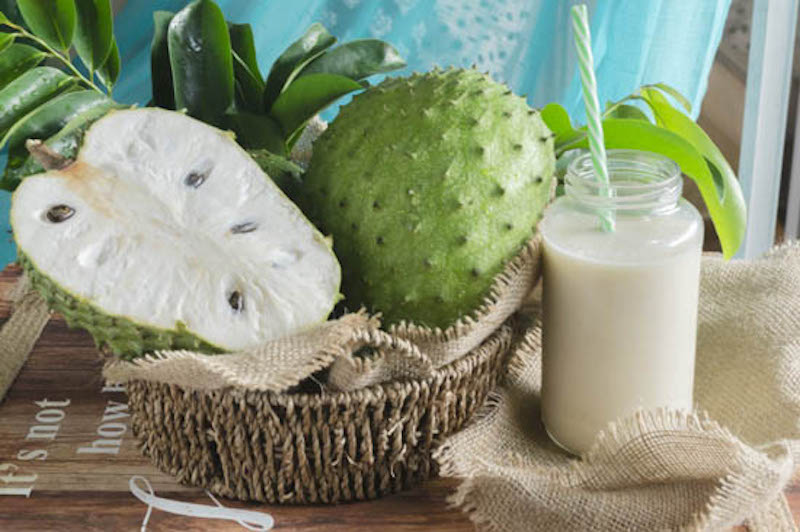
The Nguyen Van soursop tea is a type of tea that uses clean ingredients, directly processed from the garden, grown on the red basalt soil of the Central Highlands, and is a popular and advisable specialty that tourists should try when visiting the mountainous areas of Vietnam.
So, if you ever get the chance to taste this nostalgic fruit, don’t hesitate to give it a try! For more interesting travel guides, visit Travel Guide.